
Across the Ocean
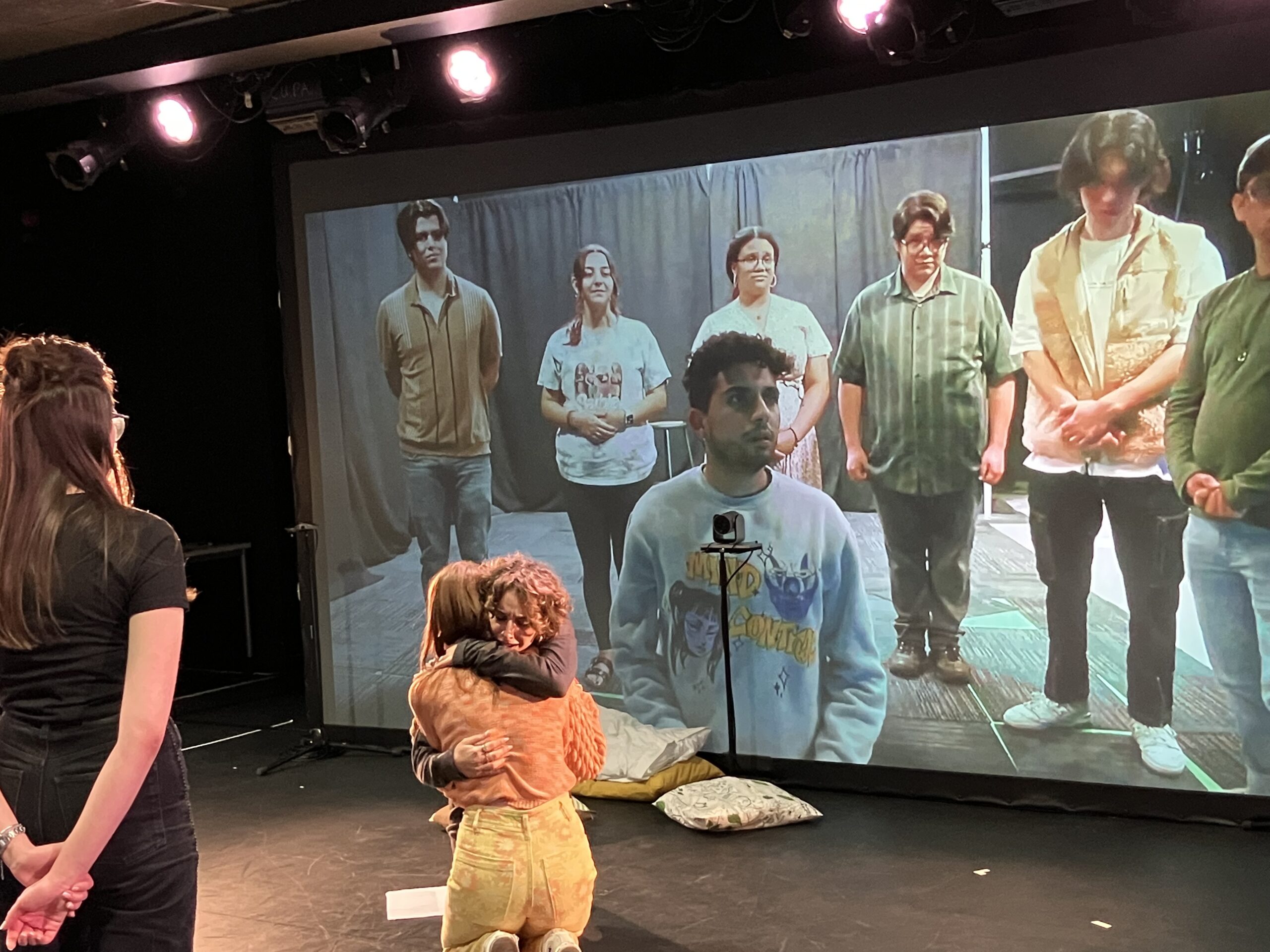
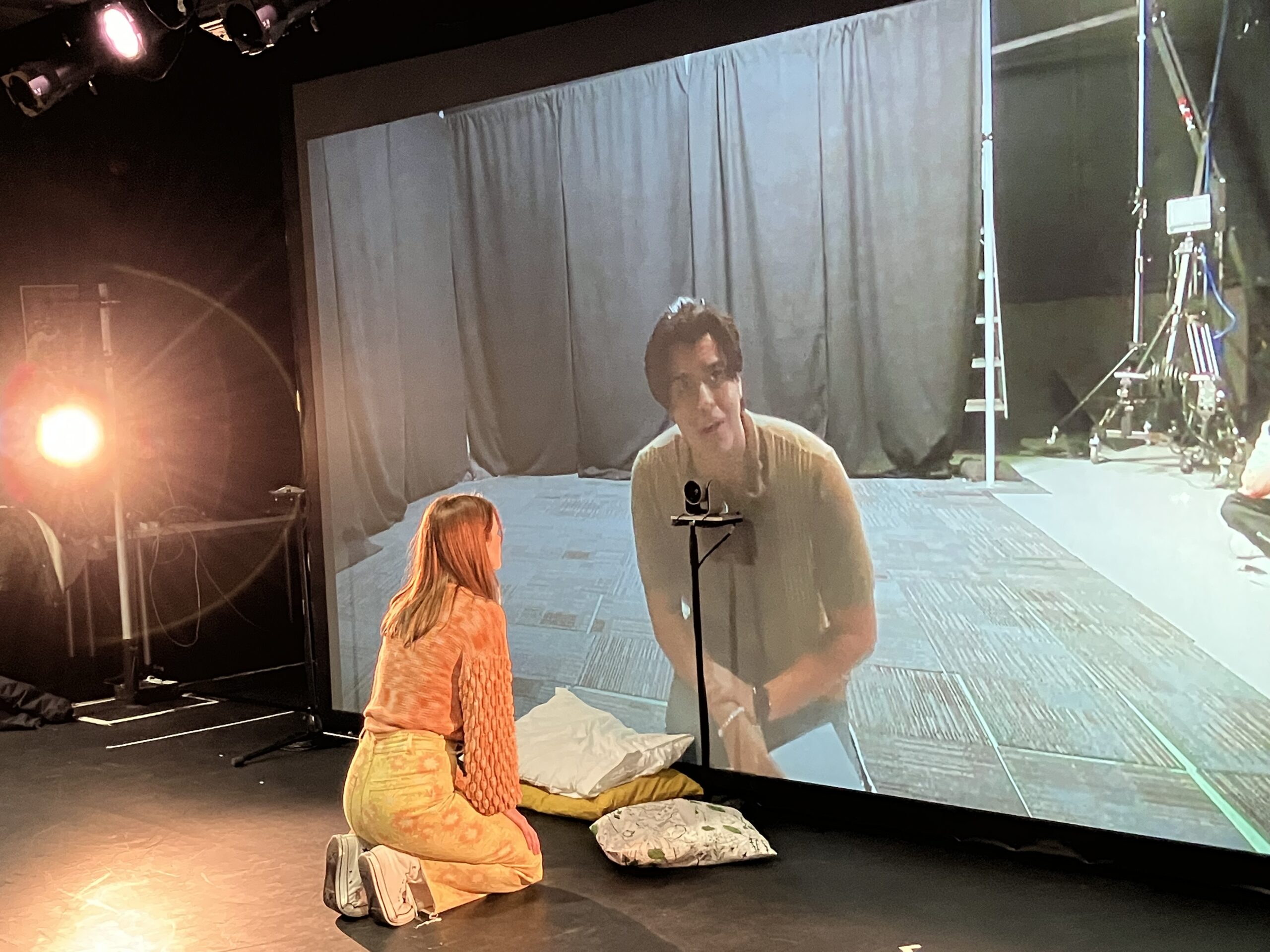
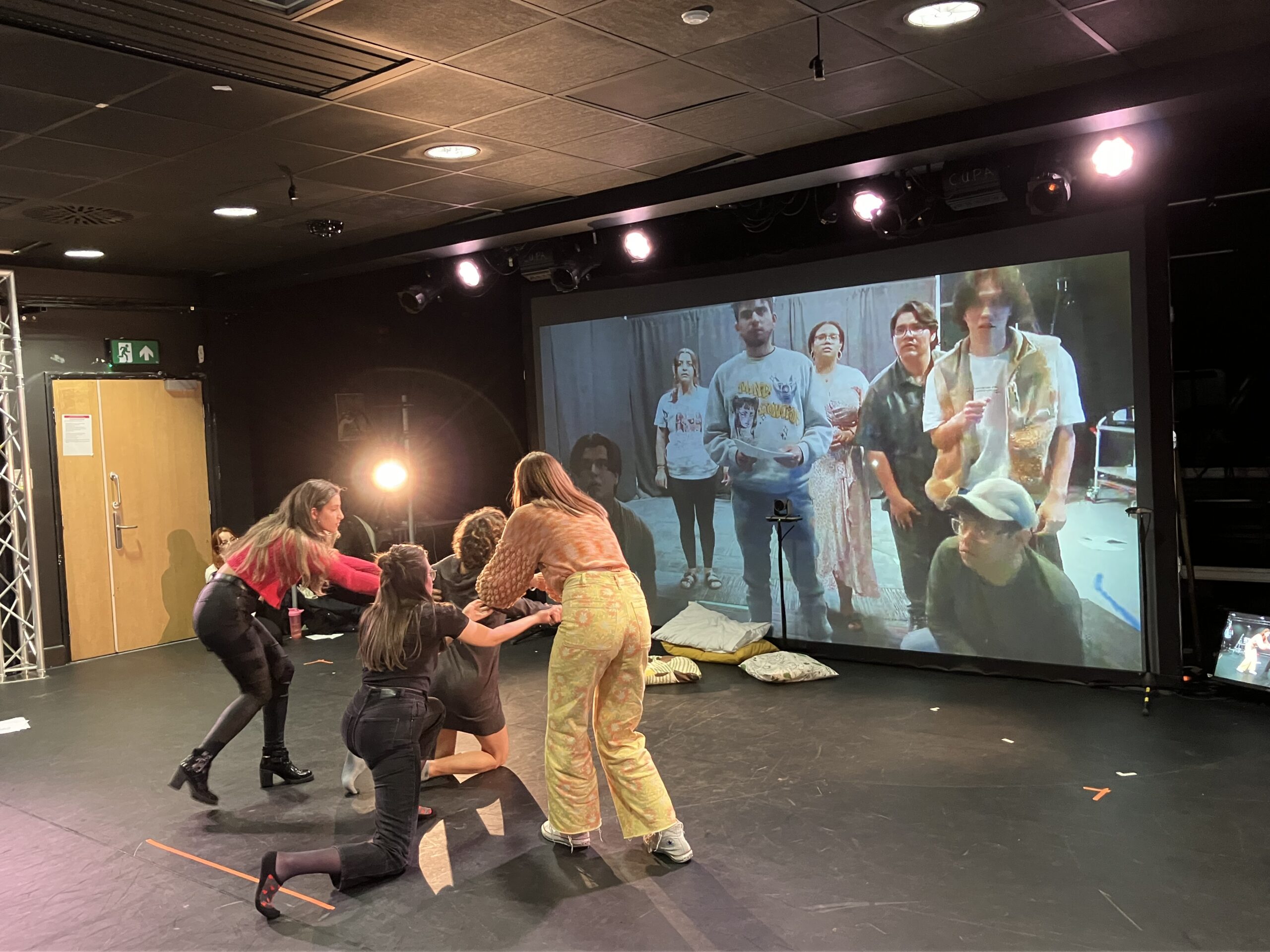
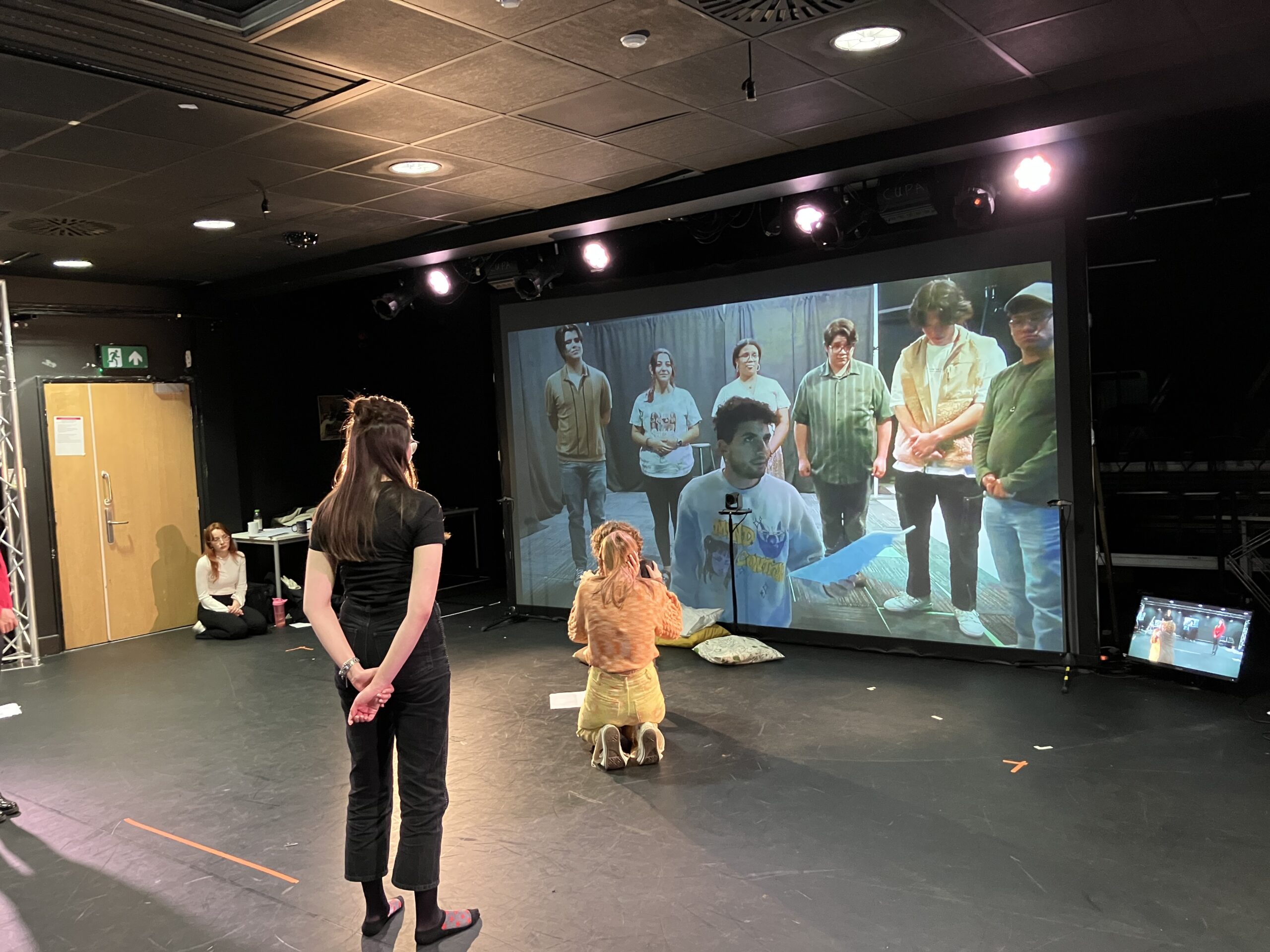
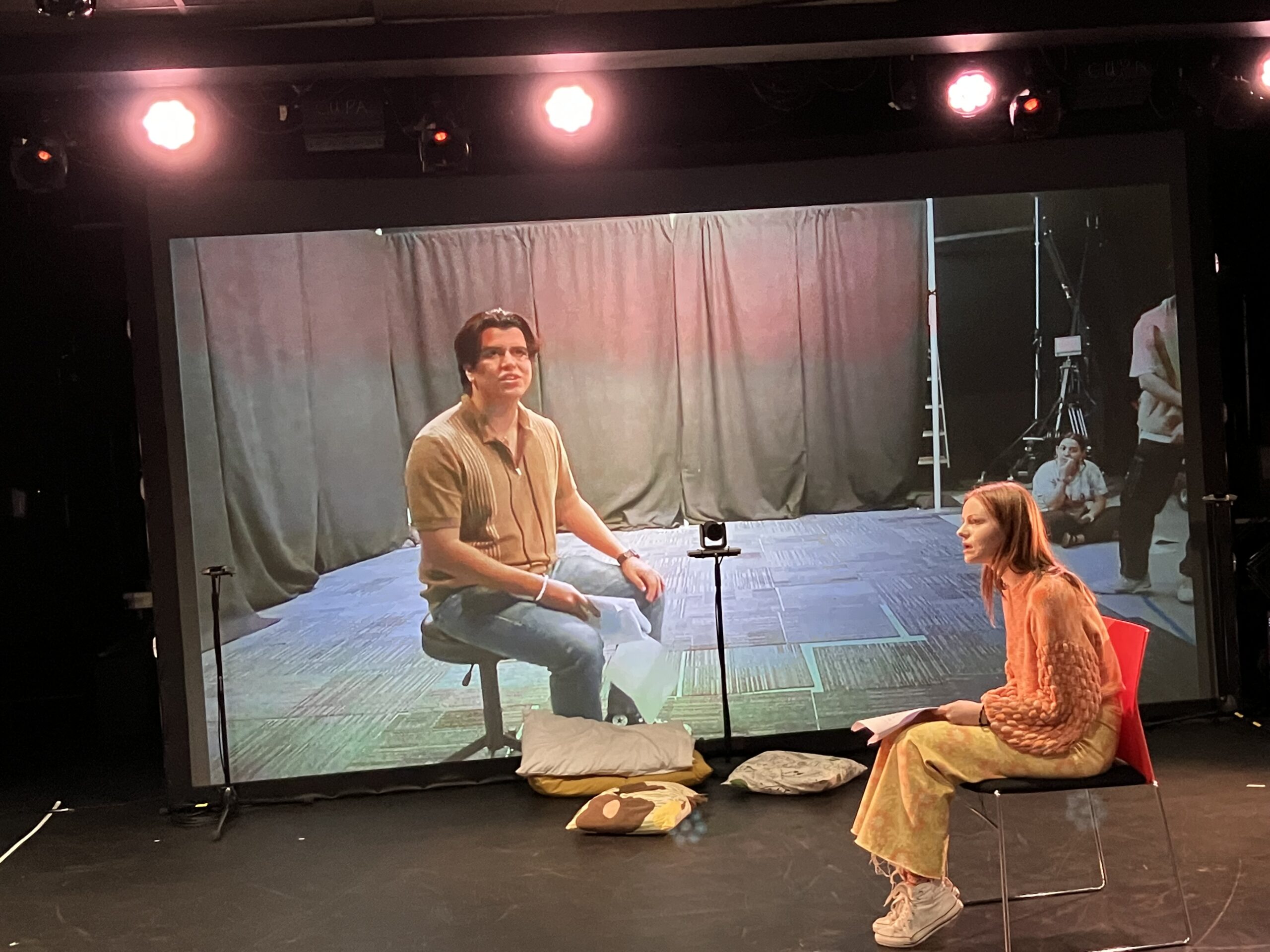
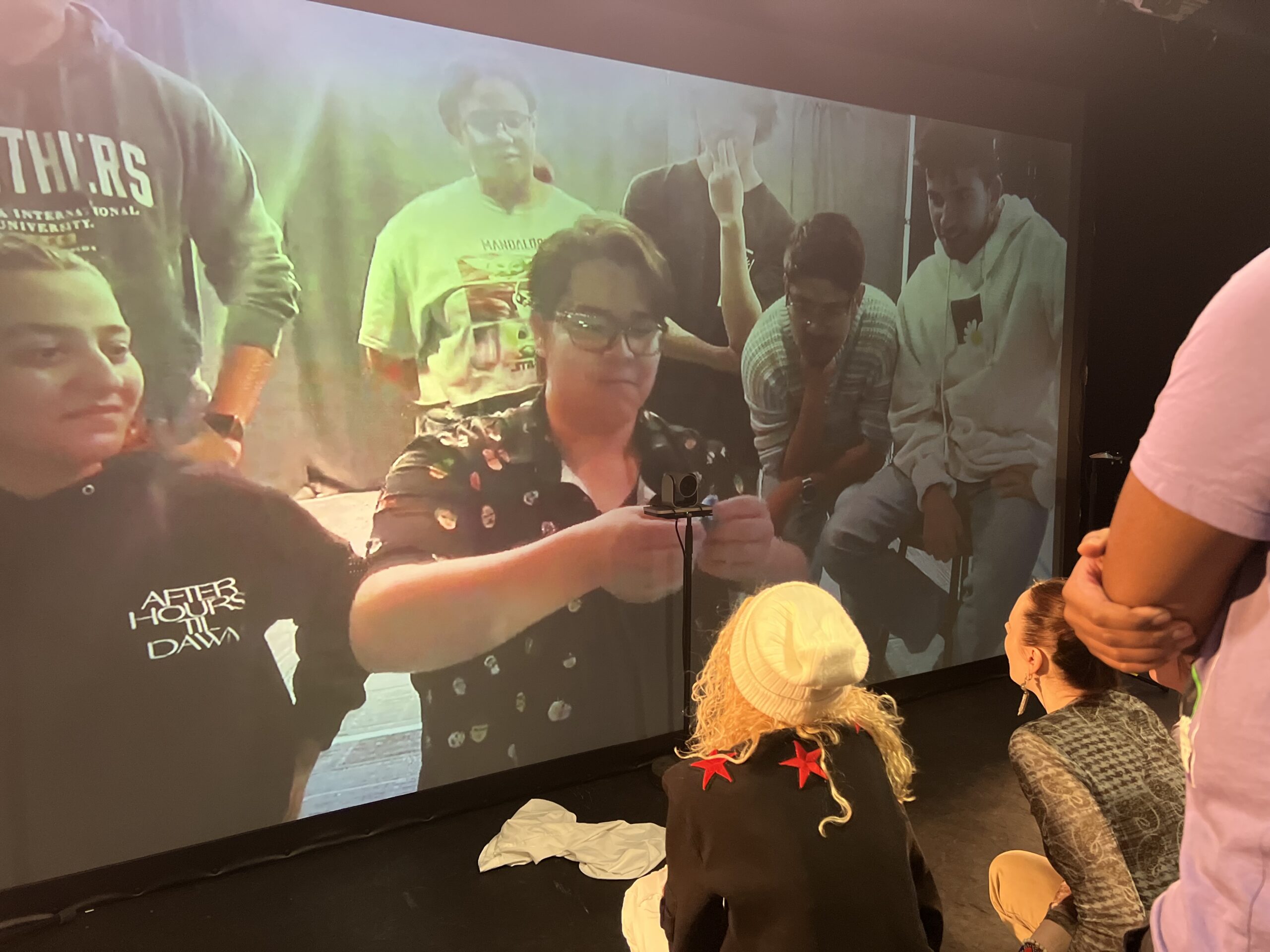
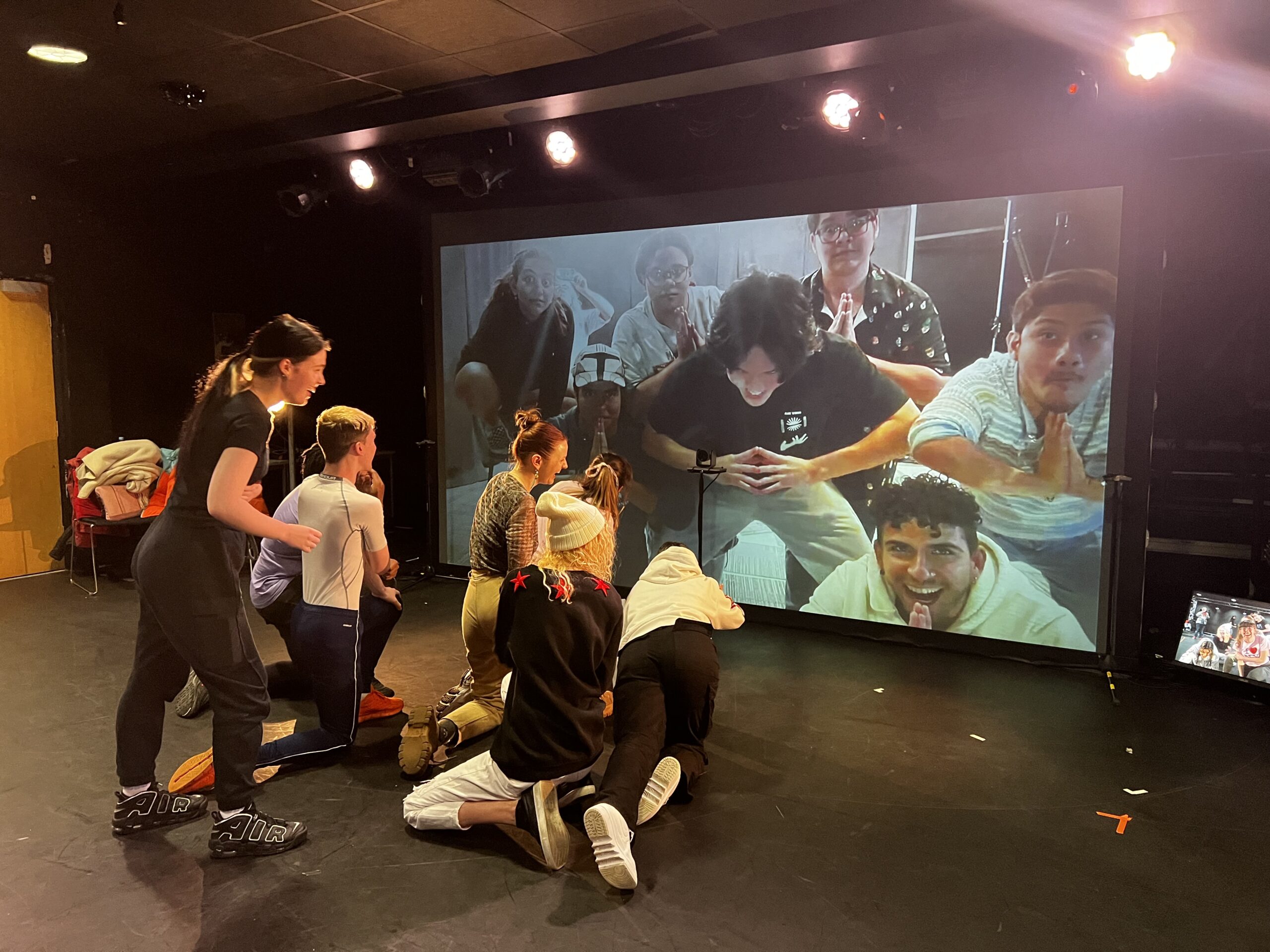
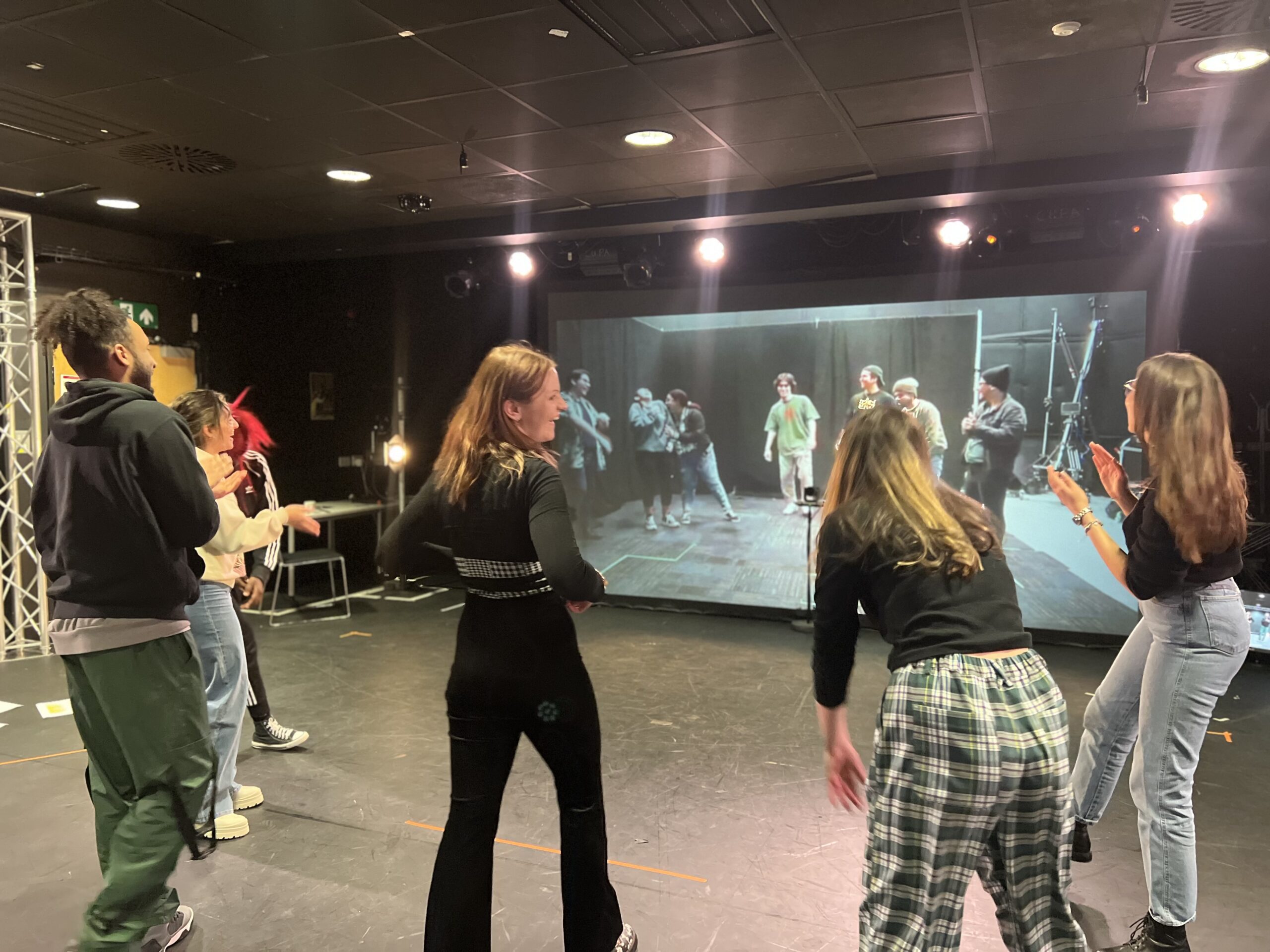
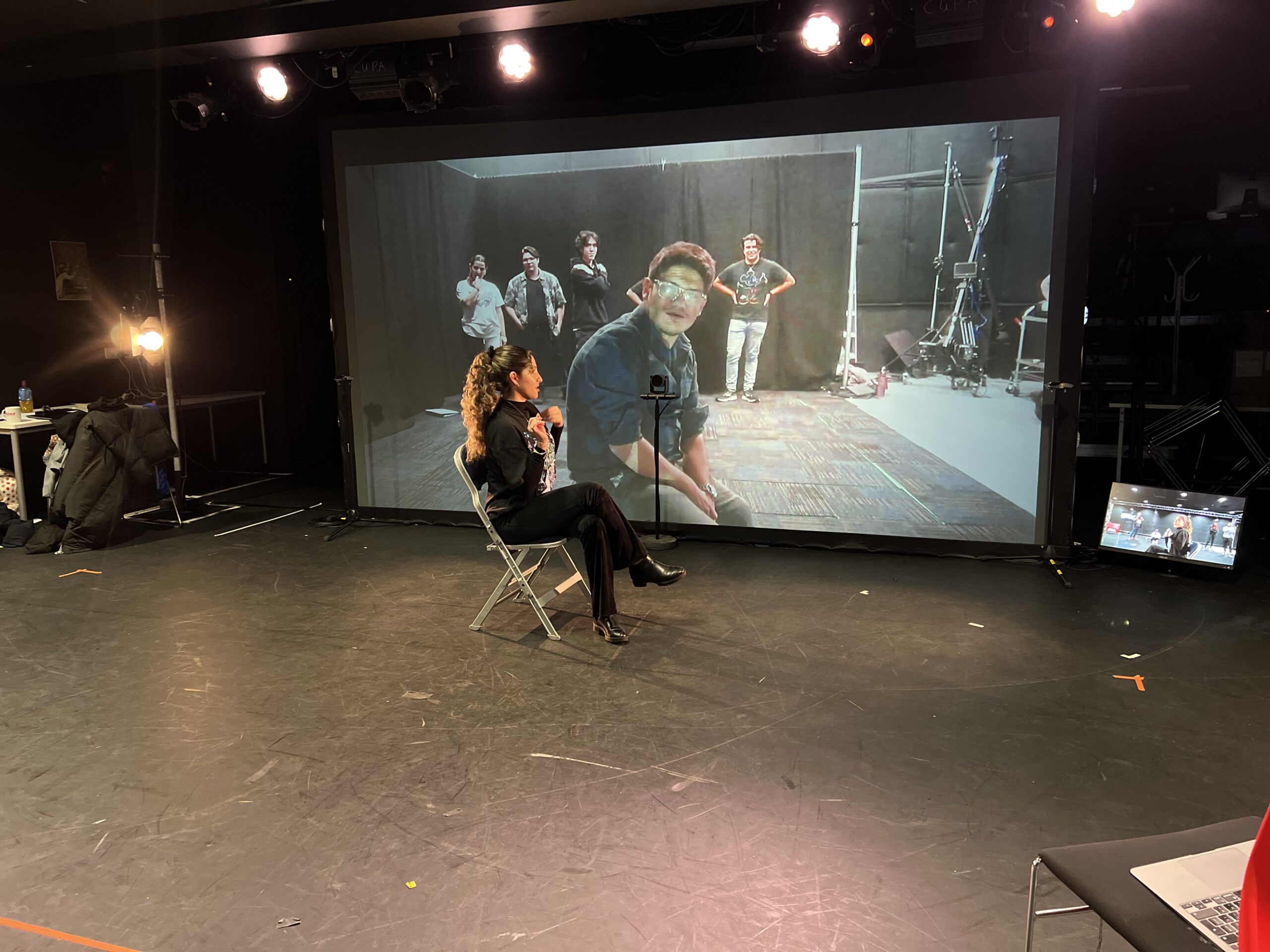
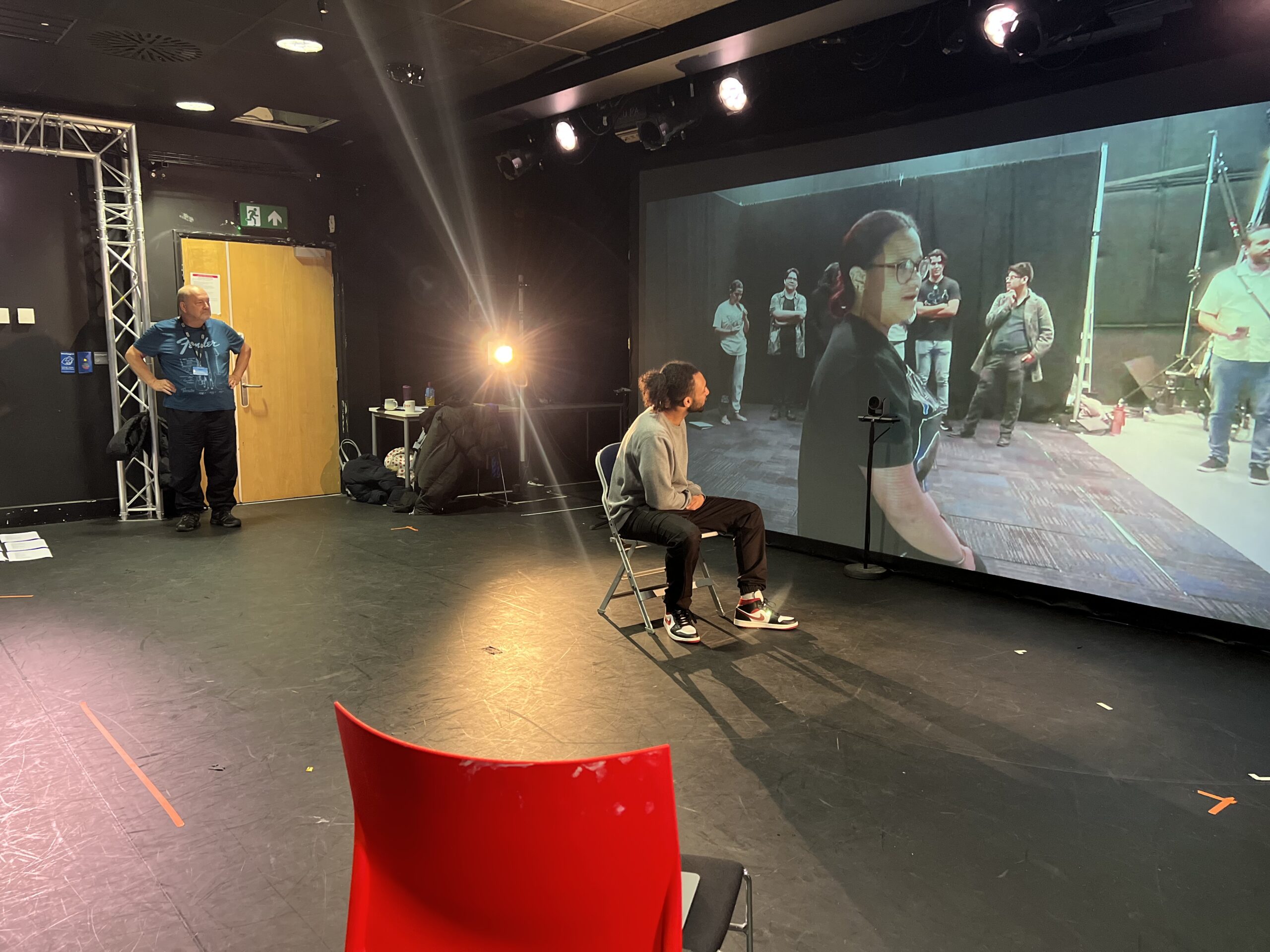
In January and February 2023, staff and students from Coventry University and Florida International University in Miami collaborated on two weeks of remote rehearsal followed by a residency at FIU.
Shakespeare’s Pericles seemed particularly suited to performers working across the Atlantic. Its story moves repeatedly across oceans and borders, bringing together themes of migration, separation, loss, rebirth and reunion. Storytelling itself becomes restorative, allowing characters divided by distance and time to recover their relationships and identities.
These ideas connected with the experiences of the two casts, whose family histories extended across the Caribbean, Latin America, Europe and the United Kingdom. Many understood personally what it meant for families, languages and identities to move between countries. The play offered a way of exploring how people remain connected across distance while the performers themselves were separated by an ocean.
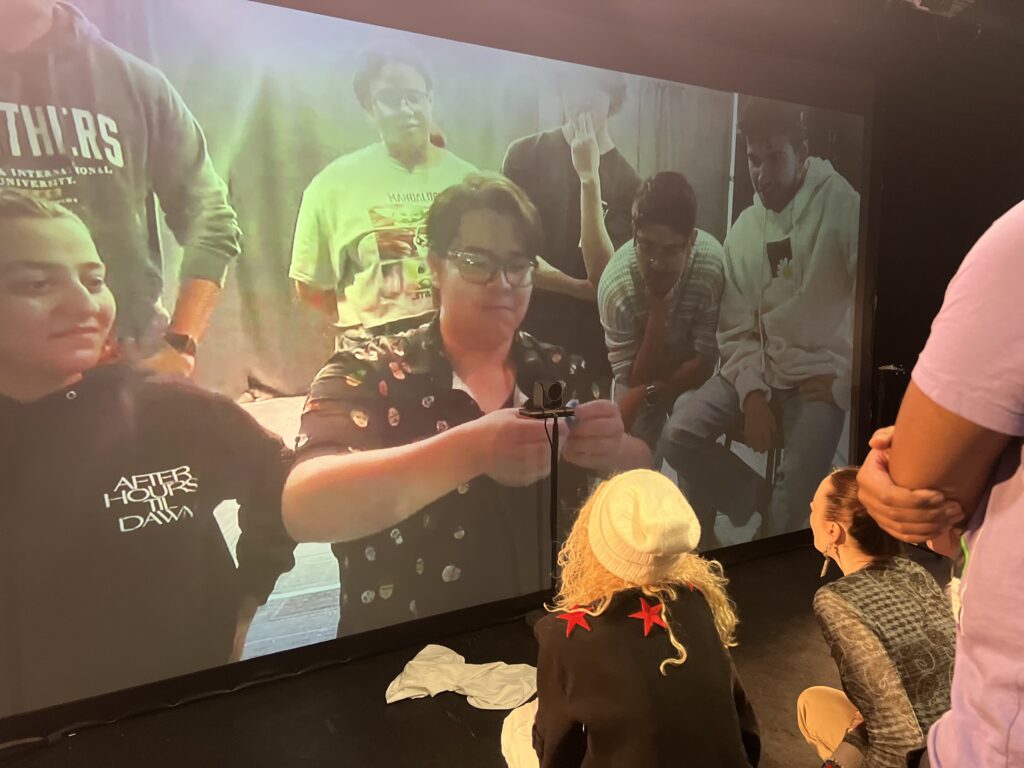
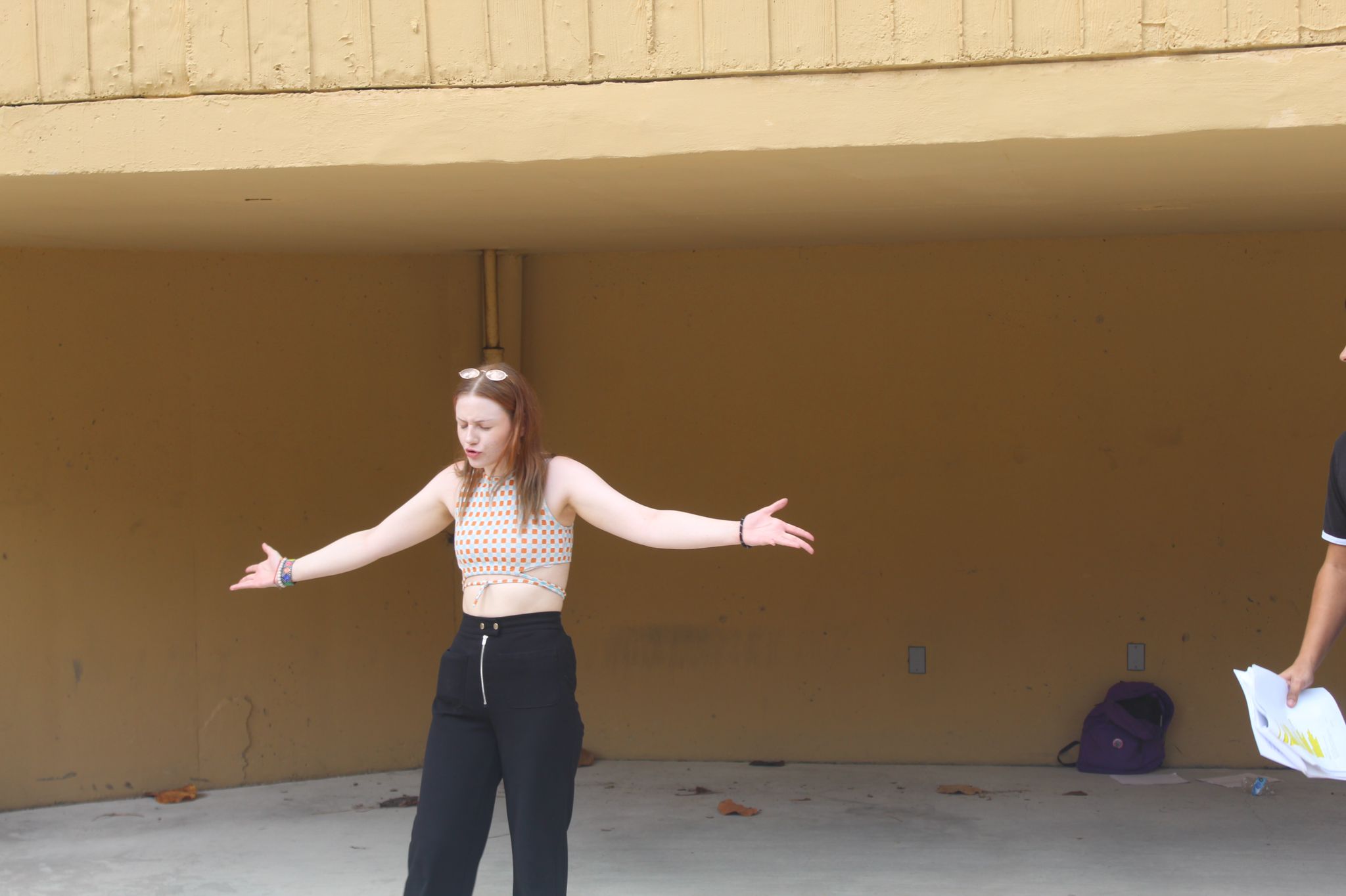
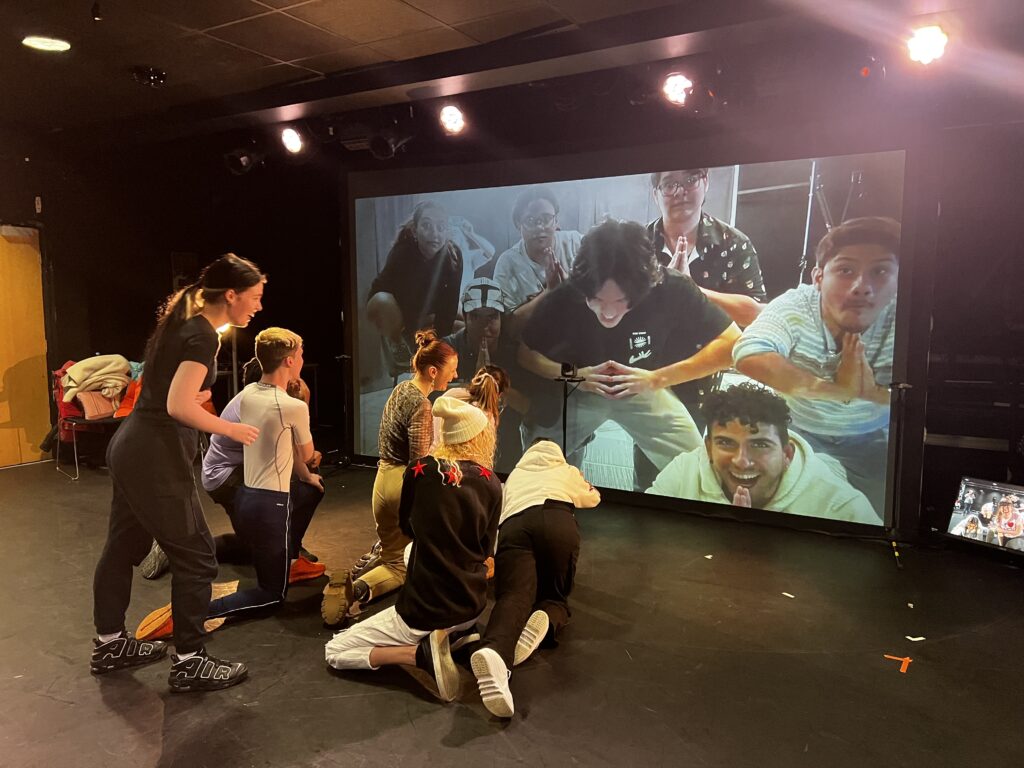
The casts worked on eight scenes selected from Shakespeare’s sprawling late romance. During the remote phase, actors and directors used whatever materials were available in the two studios to create provisional characters, locations and stage images. The emphasis was upon experimentation rather than producing a finished interpretation of the entire play. Joshua Patel from Fabularium Theatre Company also worked with the students, introducing approaches drawn from physical theatre and outdoor performance.
Special Guest Star
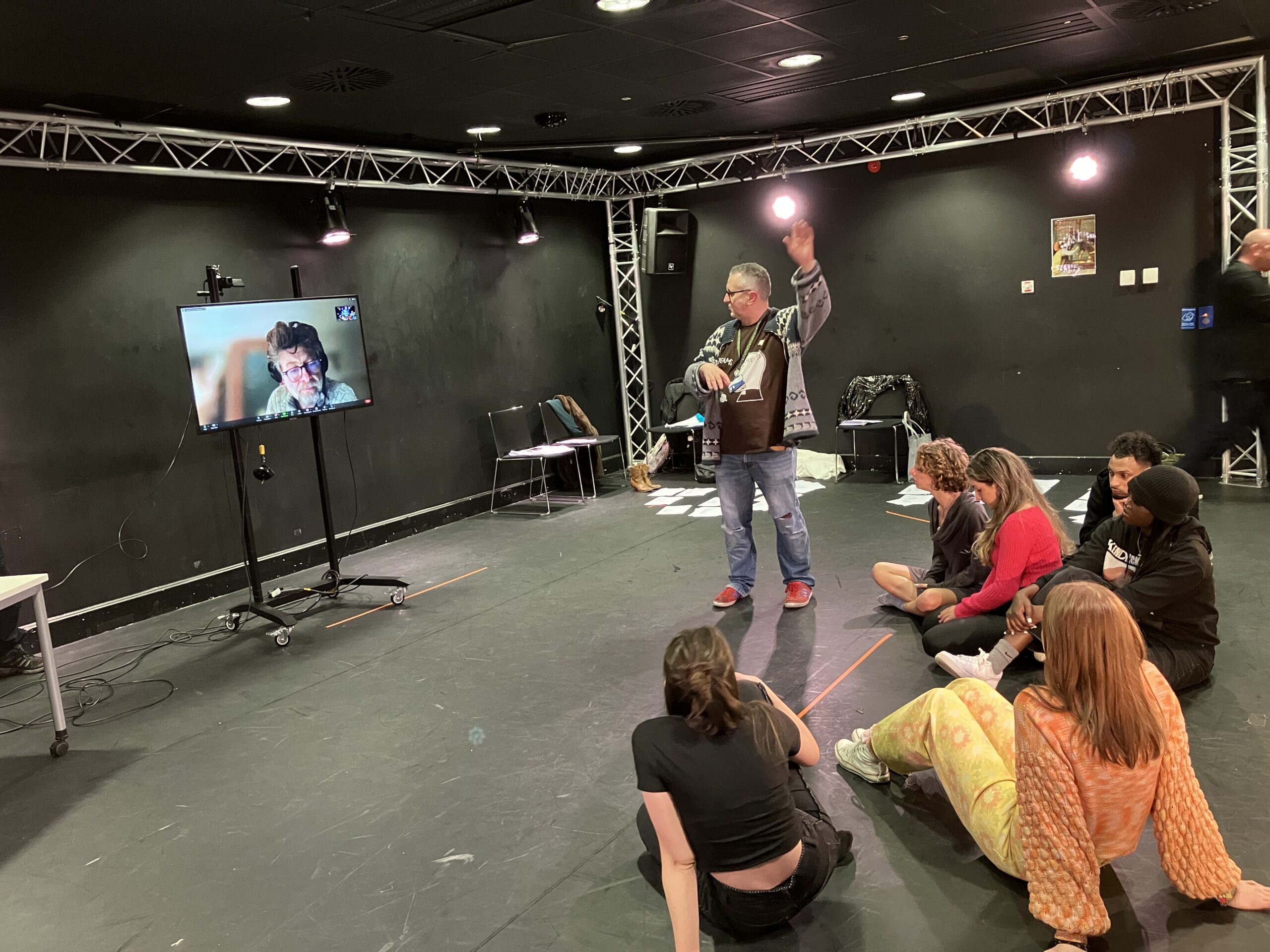
The actor Andy Serkis (Lord of the Rings) was originally expected to join one of the rehearsals in person. Filming commitments prevented the visit, but he connected to the project through Zoom instead. Introducing a third connection into two studios already linked through telepresence was technically difficult, particularly when trying to give him a useful view of both groups and allow the performers to see and hear him clearly.
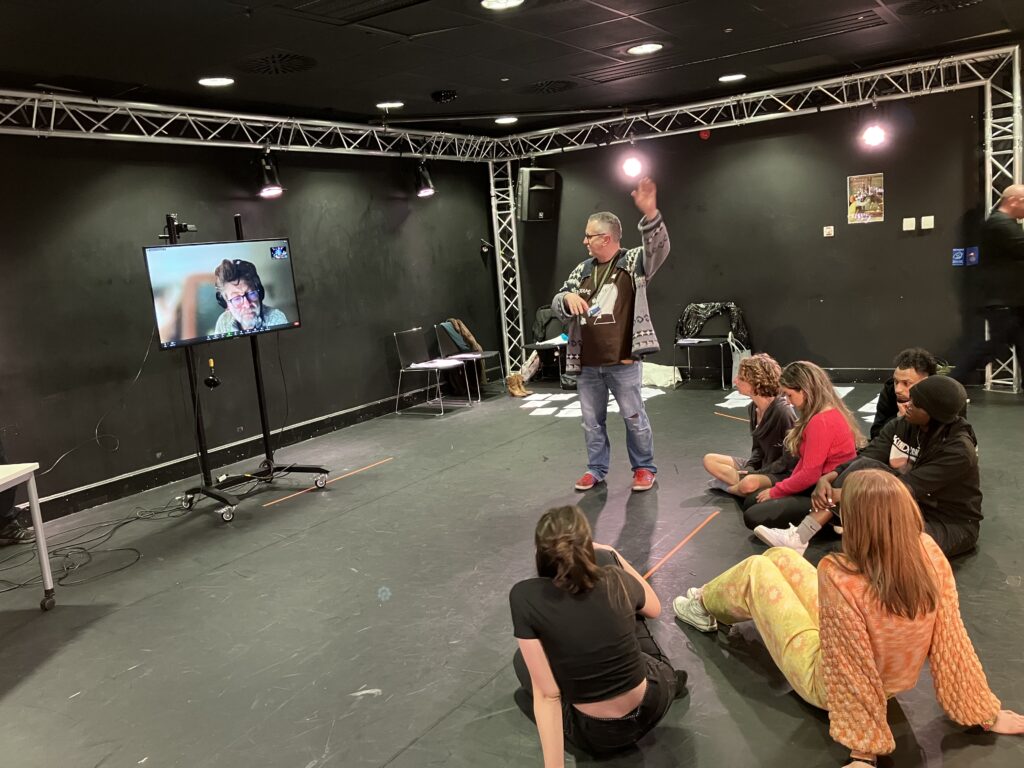
Despite the limitations of the additional screen, Serkis made a substantial contribution. He watched several scenes, experimented with the actors, led workshop activity and spoke to the students about the telepresence process and his wider experience of acting. The session, which appears in the project documentary, became a valuable example of how an external practitioner could enter the connected rehearsal room from a third location.
Miami Residency
After the two weeks of remote work, the Coventry cast travelled to Miami to continue the project with their FIU counterparts. The American staff and students were warm, welcoming and genuinely enthusiastic about the collaboration. The residency’s difficulties did not arise from a lack of interest or commitment. They reflected the practical challenges of a first-time partnership between institutions that had not yet developed a shared way of working.
By comparison, the earlier relationship between Coventry and Tampere had evolved over several years. Both sides understood how the other institution organised teaching, spaces, technology, travel and student support. Many decisions no longer needed to be discussed because they had become part of an established practice. Coventry and FIU had no equivalent history upon which to draw.
The Miami project therefore involved two institutions learning about one another while simultaneously delivering an ambitious transatlantic course. Responsibilities for accommodation, transport, rehearsal time, cultural activity and the final sharing had not been defined in enough detail. Coventry also underestimated how carefully these arrangements needed to be checked before travel.
The group was accommodated in South Beach, a considerable distance from the FIU campus. Travelling between the two locations by public transport could take several hours in each direction, making it impractical within the working day. Students therefore relied upon expensive taxis and ride-hailing services whenever they needed to reach the university.
Only three physical rehearsal meetings had been scheduled during the residency. This was not enough time to consolidate eight scenes, respond to the transition from the telepresence studios to a conventional theatre and prepare the material fully for an audience. Long periods without organised activity left the visiting students to arrange their own time, which naturally became sightseeing and tourism.
The cultural high point of the residency was a visit to the Colony Theatre in South Beach for Miami New Drama’s twentieth-anniversary production of Anna in the Tropics. Written and directed by Nilo Cruz, the play is set within a Cuban-American cigar factory in 1929 and explores the meeting of migration, labour, literature and cultural change. It offered the visiting students a much richer encounter with Miami’s theatrical and Cuban-American identity than the more familiar tourist experiences surrounding the rest of the trip.
The visit demonstrated what the residency might have achieved through a more extensive cultural programme. Miami is culturally complex and extraordinarily diverse, but there were too few structured opportunities for students to encounter that complexity through its theatre, artists, communities and histories. The difficulty was not that the residency lacked any meaningful cultural engagement. The visit to Anna in the Tropics was memorable and became one of the week’s strongest experiences, but it stood largely alone instead of forming part of a sustained programme connecting the rehearsal work with the city.
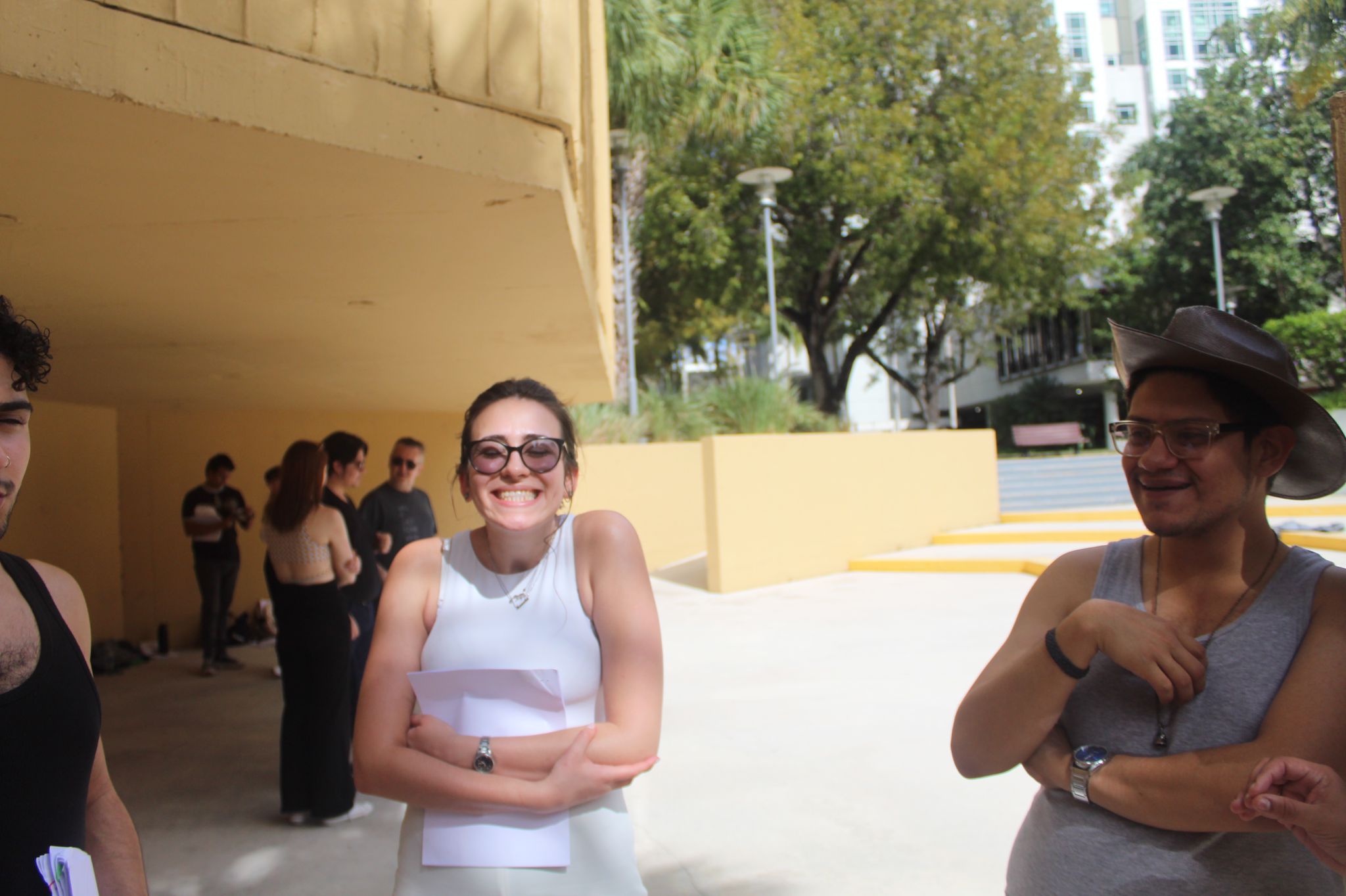
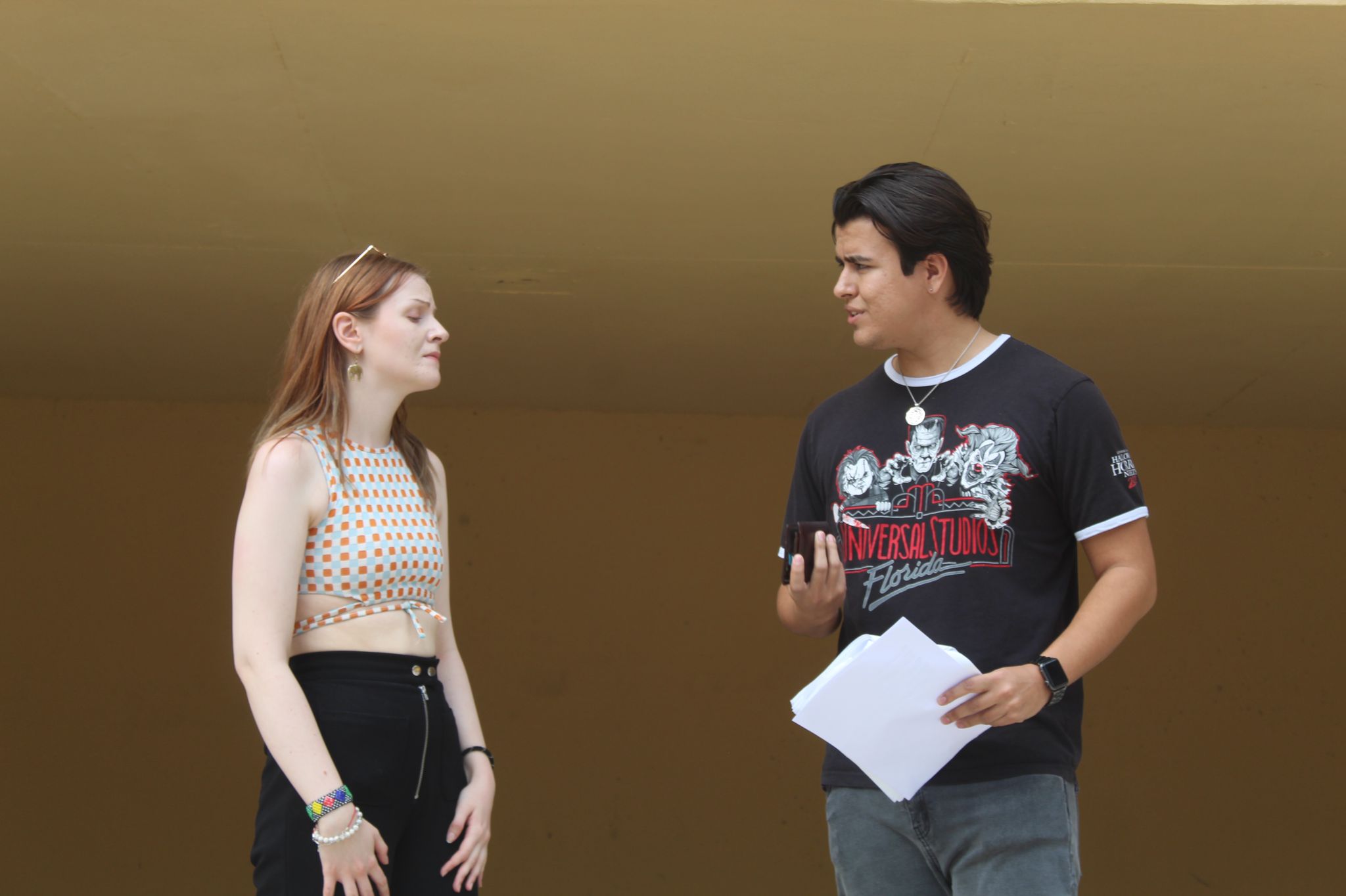
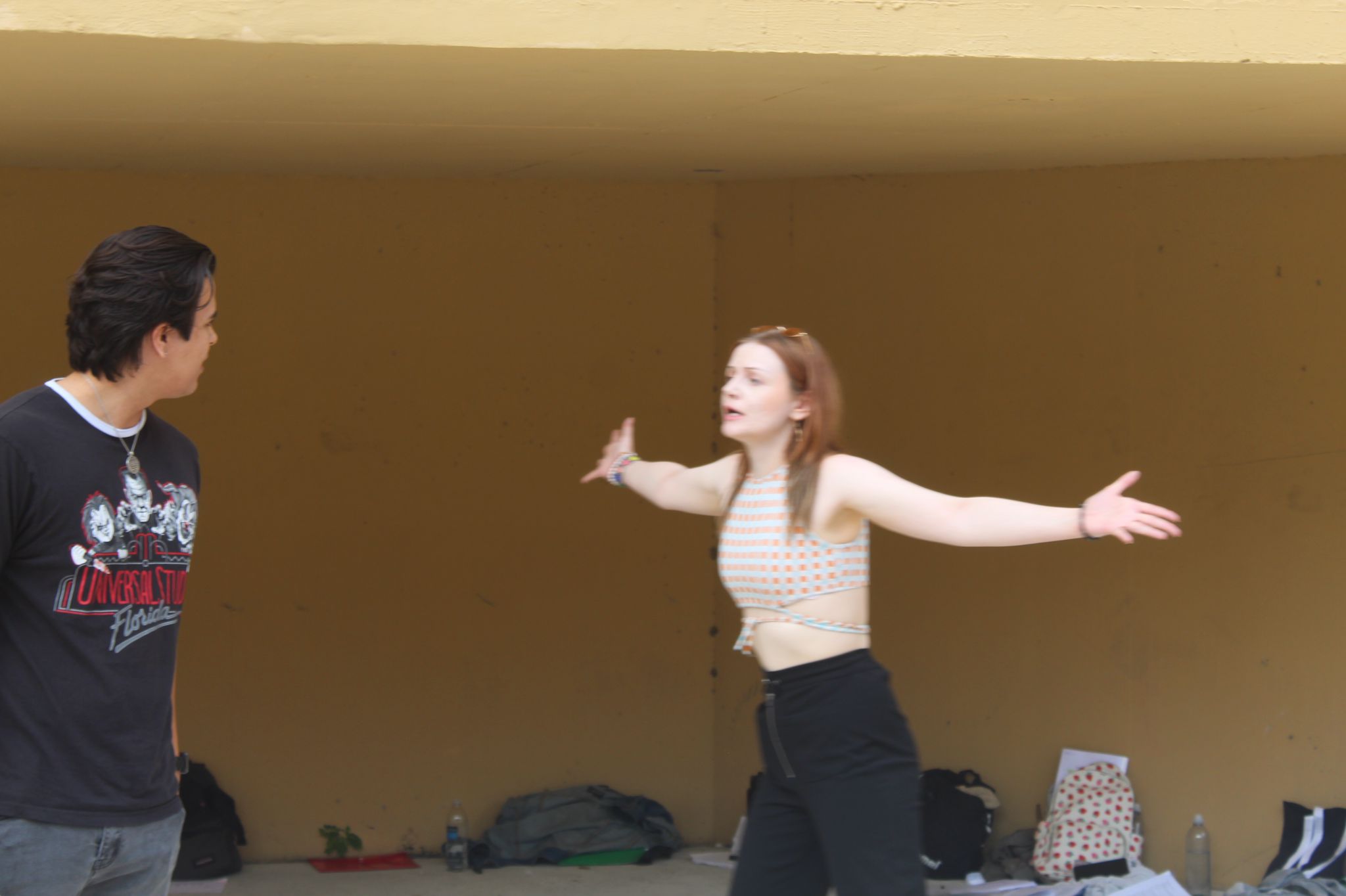
The project concluded with an open rehearsal for an invited audience in FIU’s Studio Theatre. The sharing contained worthwhile material and allowed the casts to demonstrate the work they had begun remotely, but it should not be described as a completed production. The physical phase had not provided enough rehearsal time for the project to reach that point, and some performers were still working from scripts.
The residency also prompted reflection on the relationship between travel and intercultural learning. Both groups worked in English, while many aspects of American popular culture already felt familiar to the Coventry students. Without enough planned cultural activity or sustained time working alongside local students, parts of the visit felt closer to a student trip than an encounter requiring the visitors to reconsider familiar habits.
This was not a criticism of Miami, FIU or the students, and it did not suggest that travelling to the United States lacked value. It demonstrated that geographic distance does not automatically create intercultural learning. A project may cross an ocean without asking its participants to depend upon unfamiliar languages, knowledge or customs. Those encounters must be deliberately designed into both the rehearsal process and the residency.
The financial demands made this lesson more pressing. Transatlantic flights, accommodation, local travel and daily living expenses placed a considerable burden on students. The project had travelled farther than most previous iterations, yet its educational structure did not fully justify that additional cost.
Seen in context, the residency’s difficulties were not evidence that the partnership lacked value. They showed how much preparation a new international collaboration requires before enthusiasm can become a coherent student experience. A first project must create not only the artistic work, but also the working practices upon which any future collaboration will depend.
Lessons Learned
After Attempts on Her Life and Pericles, the Coventry team began to question whether the project had run its course. The technology still worked and both productions contained worthwhile ideas, but neither had created the depth of shared ensemble achieved during the earlier Tampere collaborations. The team discussed whether it might be better to bring the initiative to an end.
The two difficult iterations raised an uncomfortable question. Had the project developed a method that could survive changes in personnel and partnership, or had its earlier success depended upon the particular relationships, trust and experience of the original Coventry–Tampere team? Connecting new institutions to the same technology had not automatically recreated the culture of collaboration that team had built.
This uncertainty shaped what followed. The next phase would need to do more than find another international partner or rehearse another play across distance. It would have to rebuild shared ownership, student relationships and a clear educational purpose, while ensuring that language, place and cultural activity became part of the learning rather than incidental features of the journey.
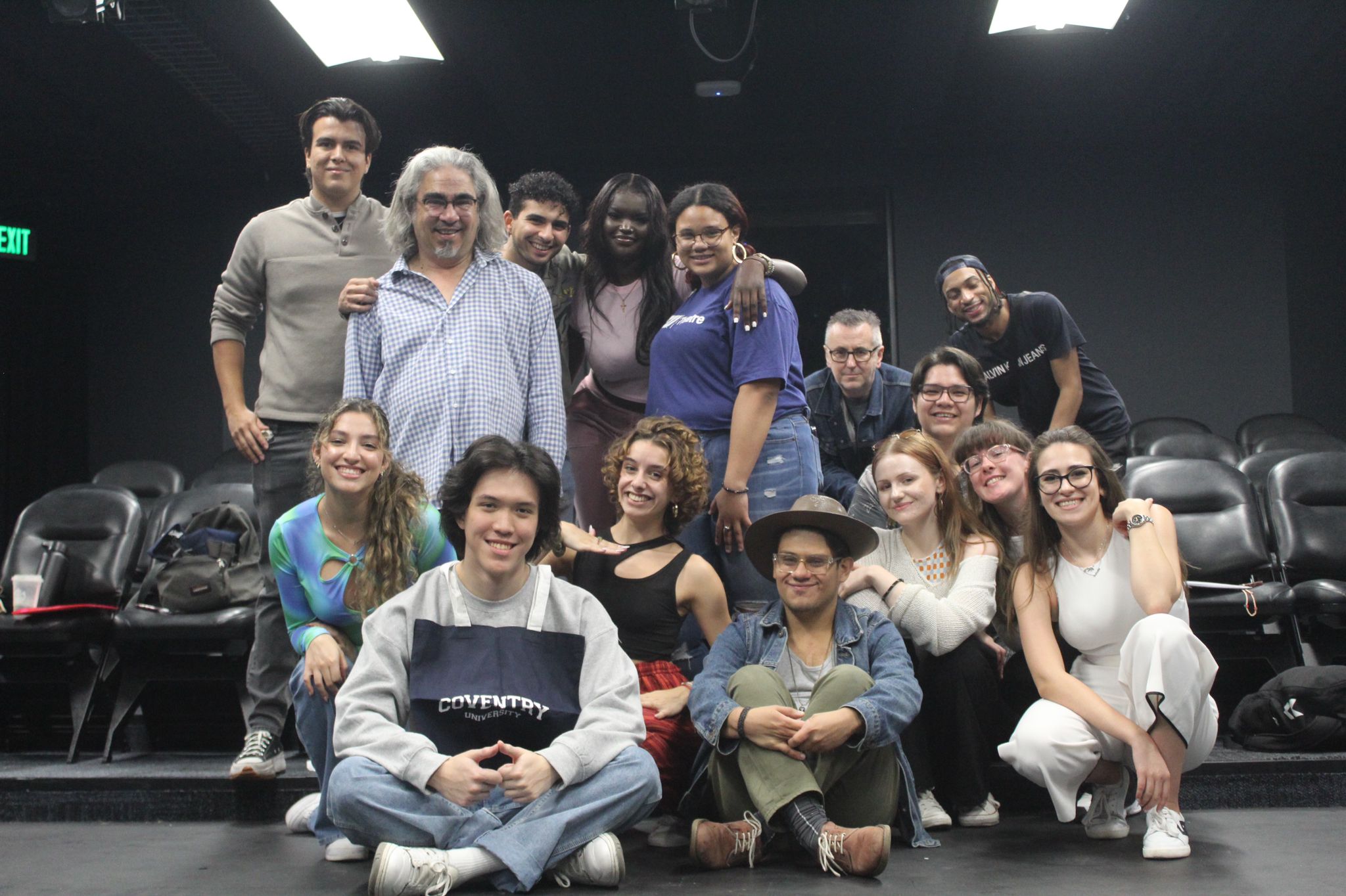
Cast and Directors of Pericles Online, 03/02/23, Florida International University