Caesar Online: transferring the model
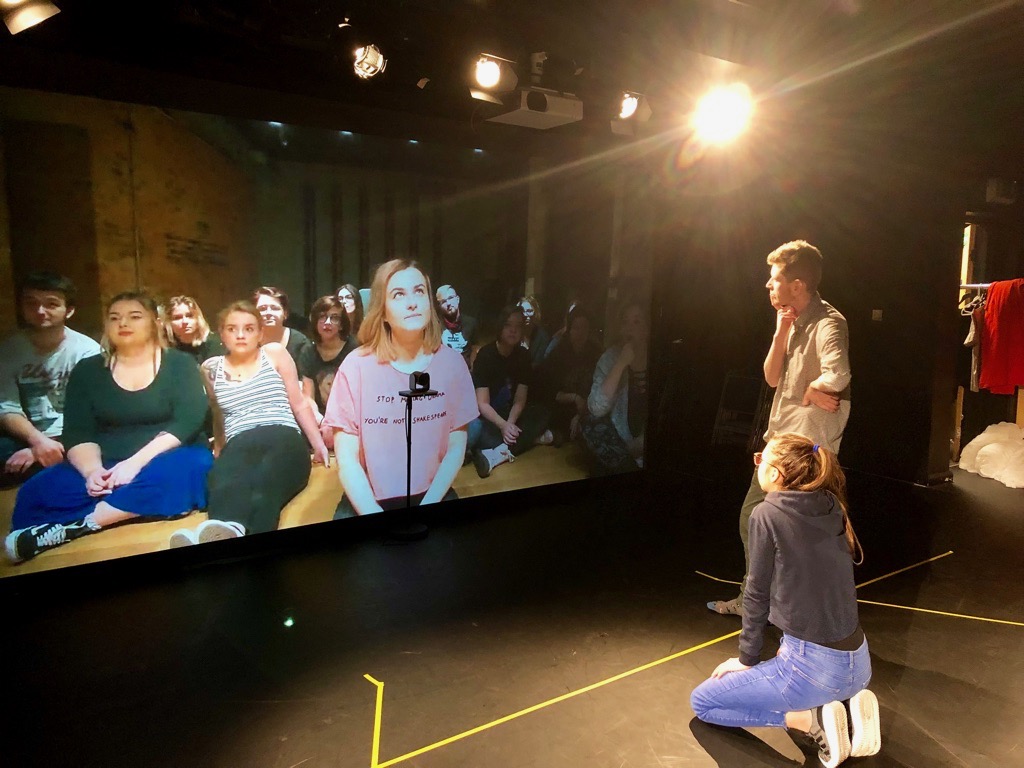
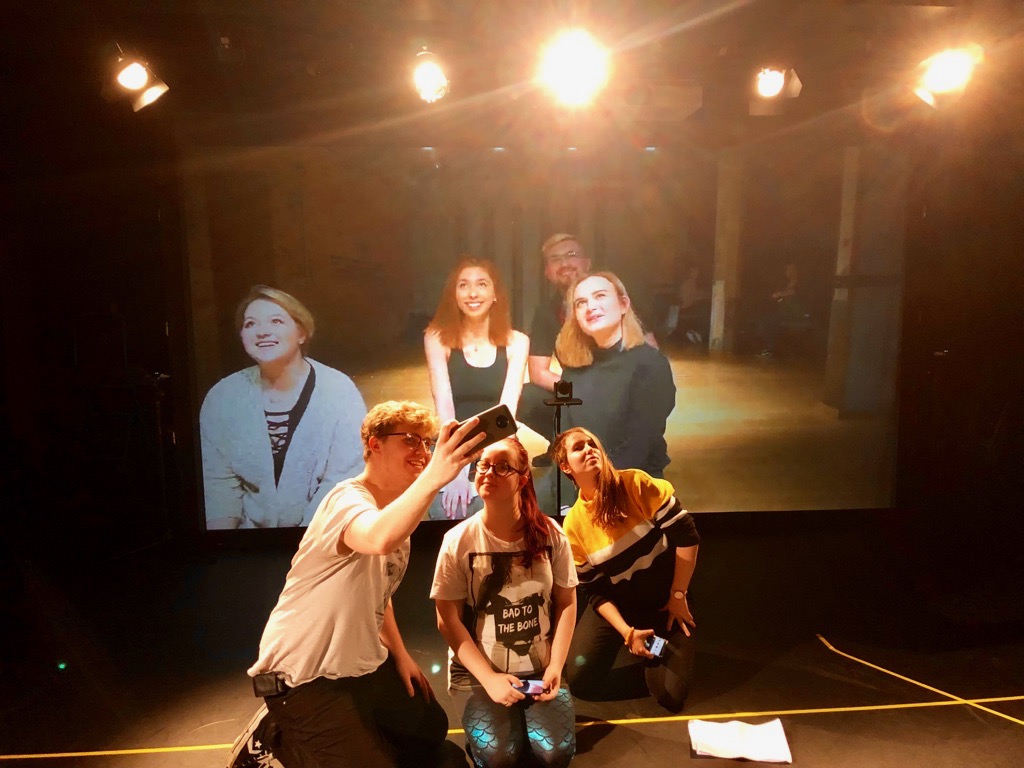
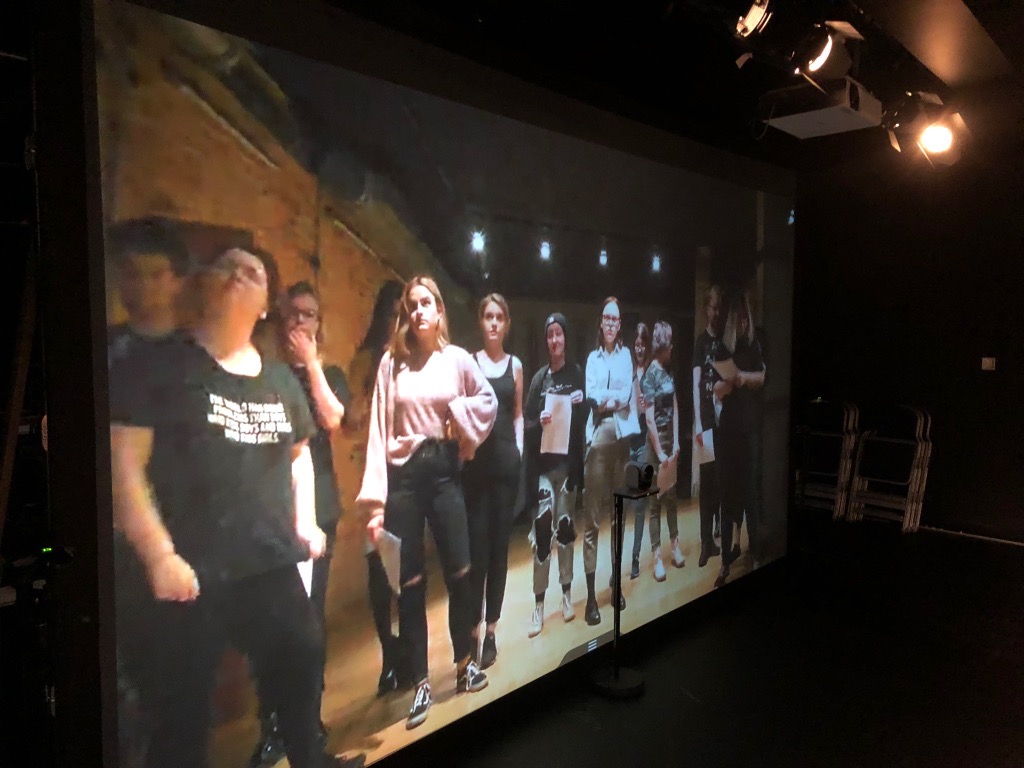
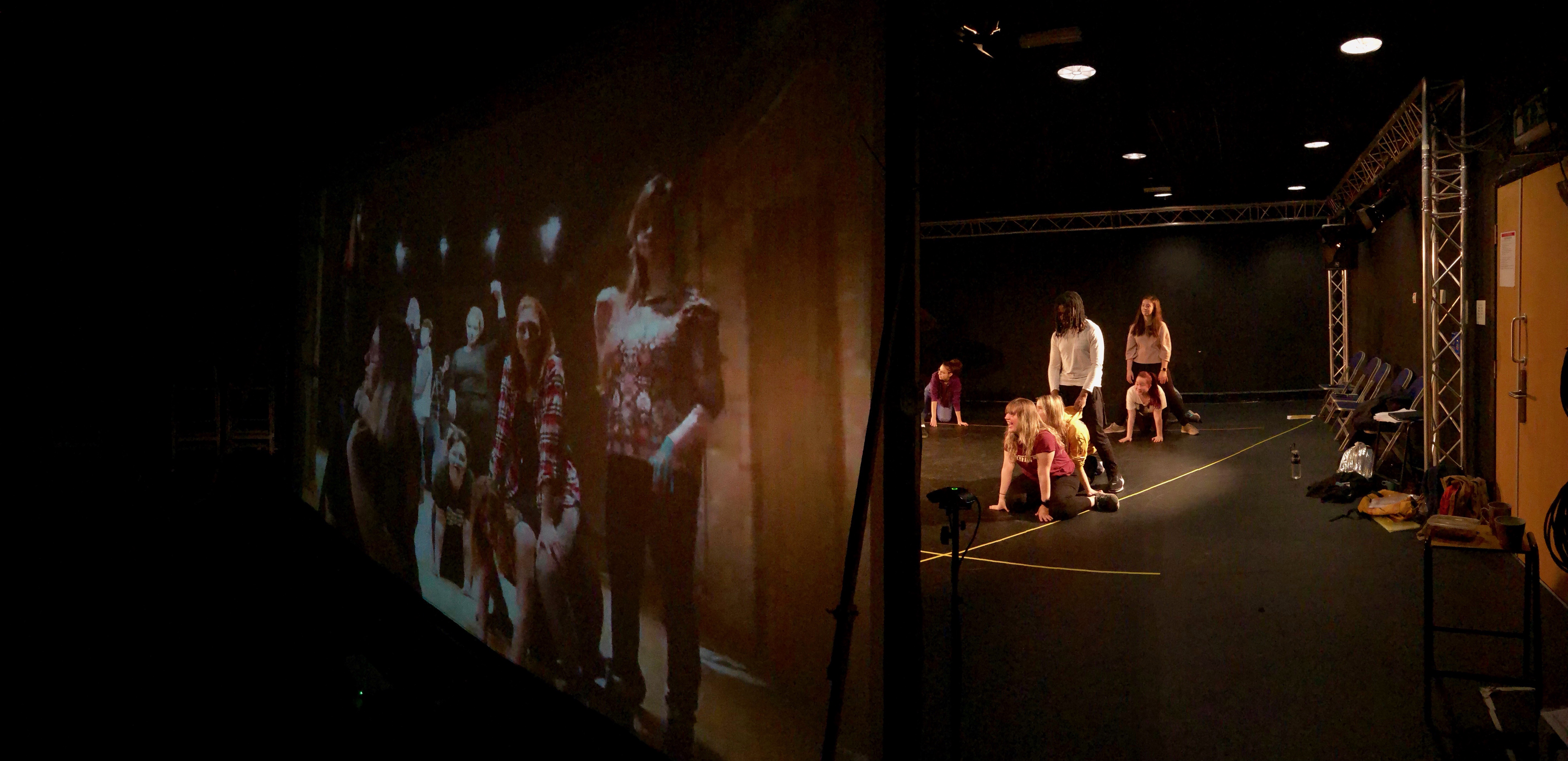
In March 2019, Immersive Telepresence in Theatre entered a new phase through a partnership between Coventry University and Adam Mickiewicz University in Poznań. Students from Coventry’s Theatre and Professional Practice BA worked with students from the Theatre and Drama in English programmes at Adam Mickiewicz University on selected scenes from Shakespeare’s Julius Caesar.
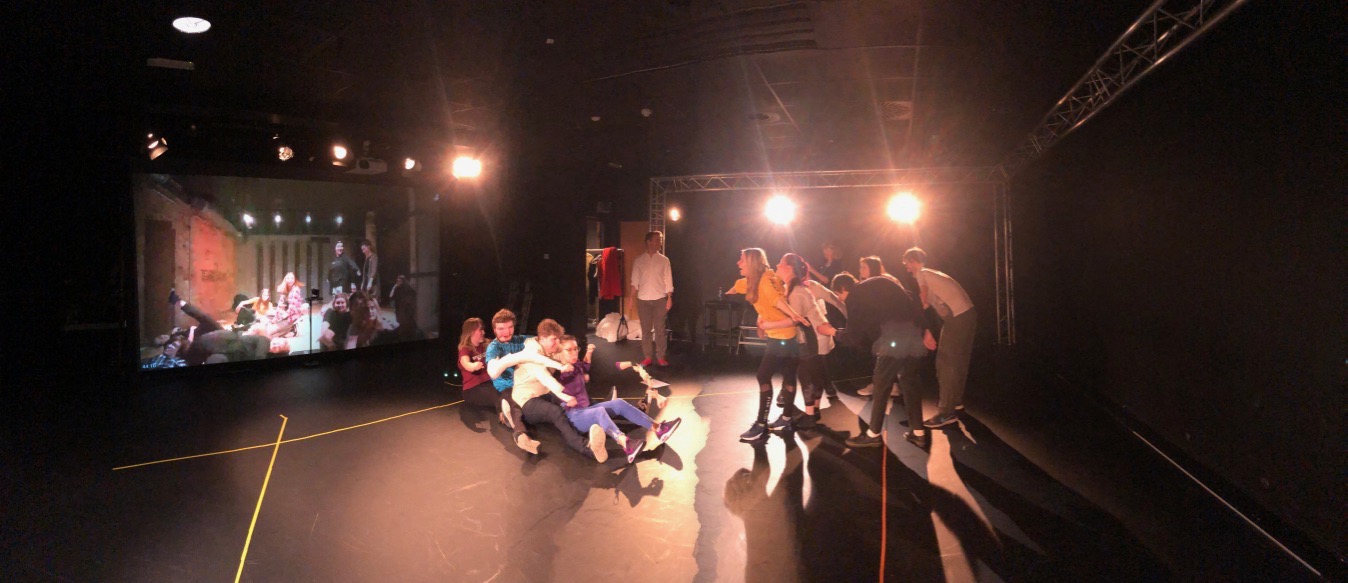
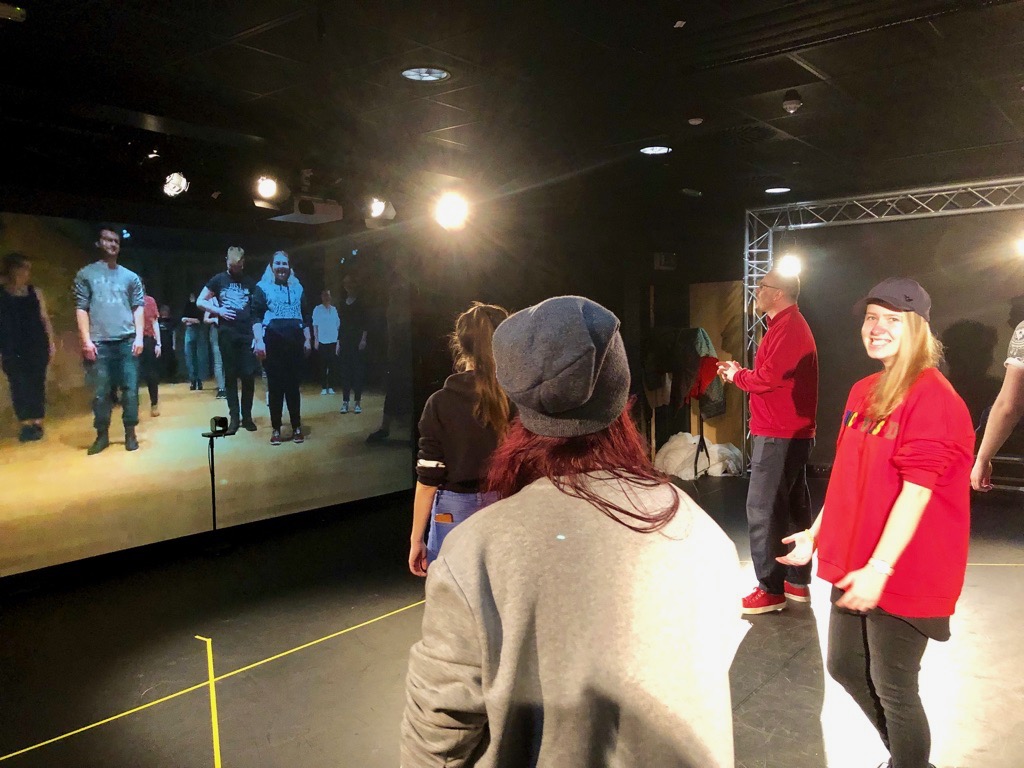
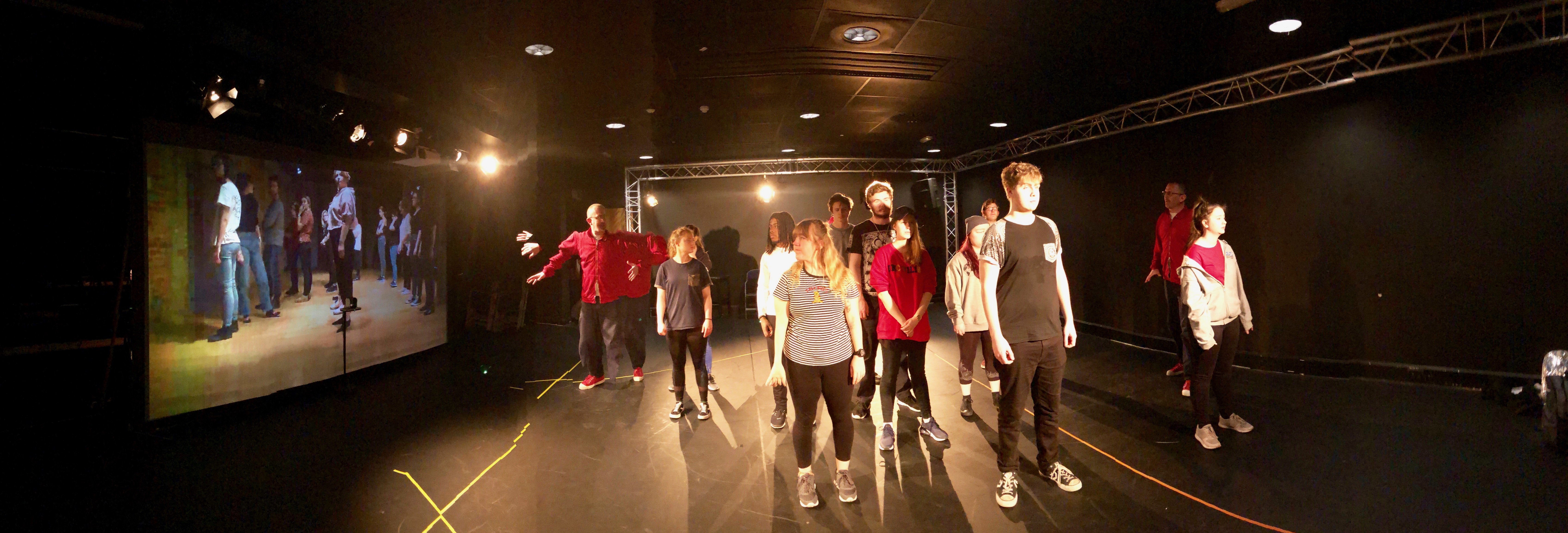
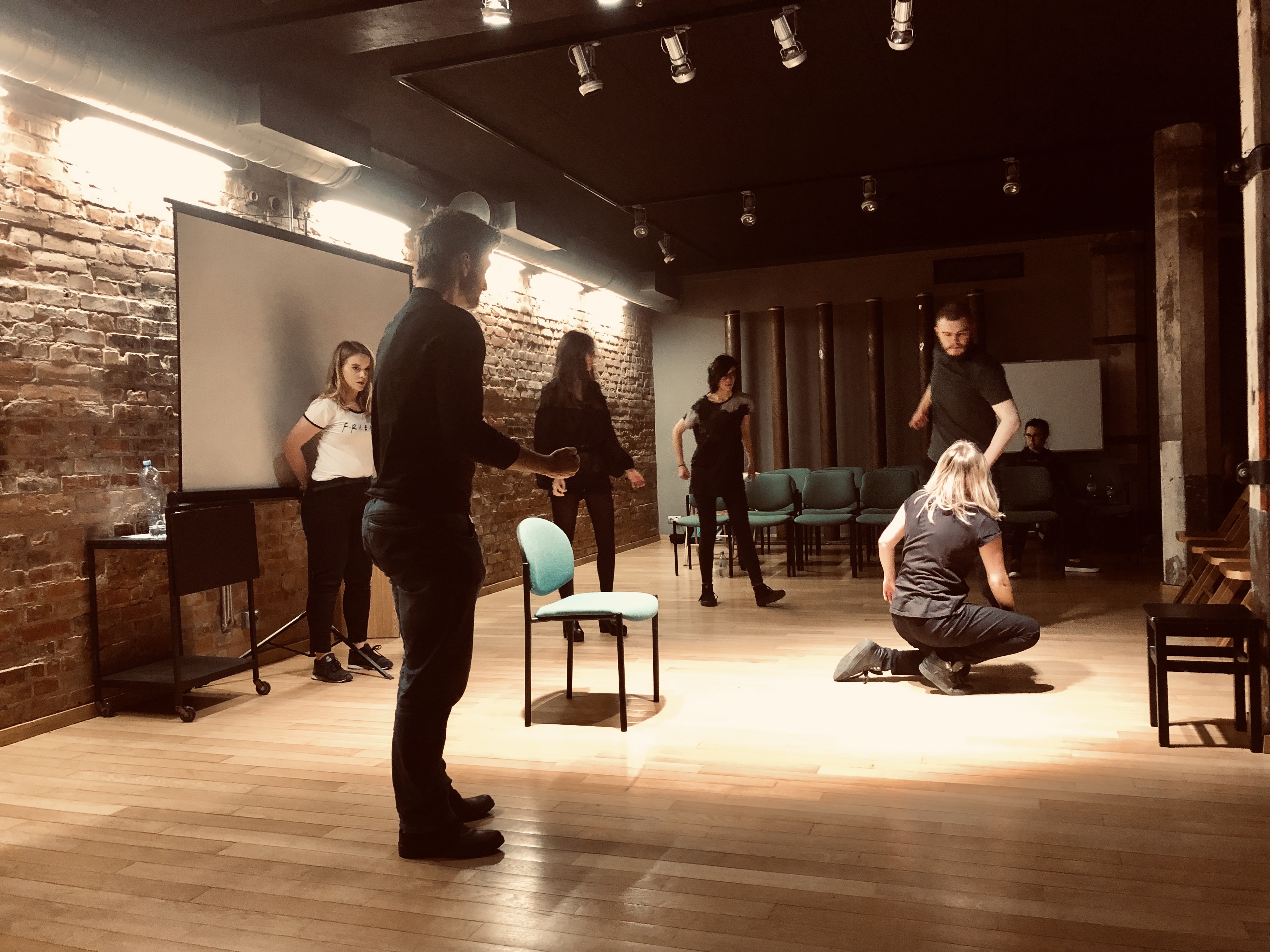
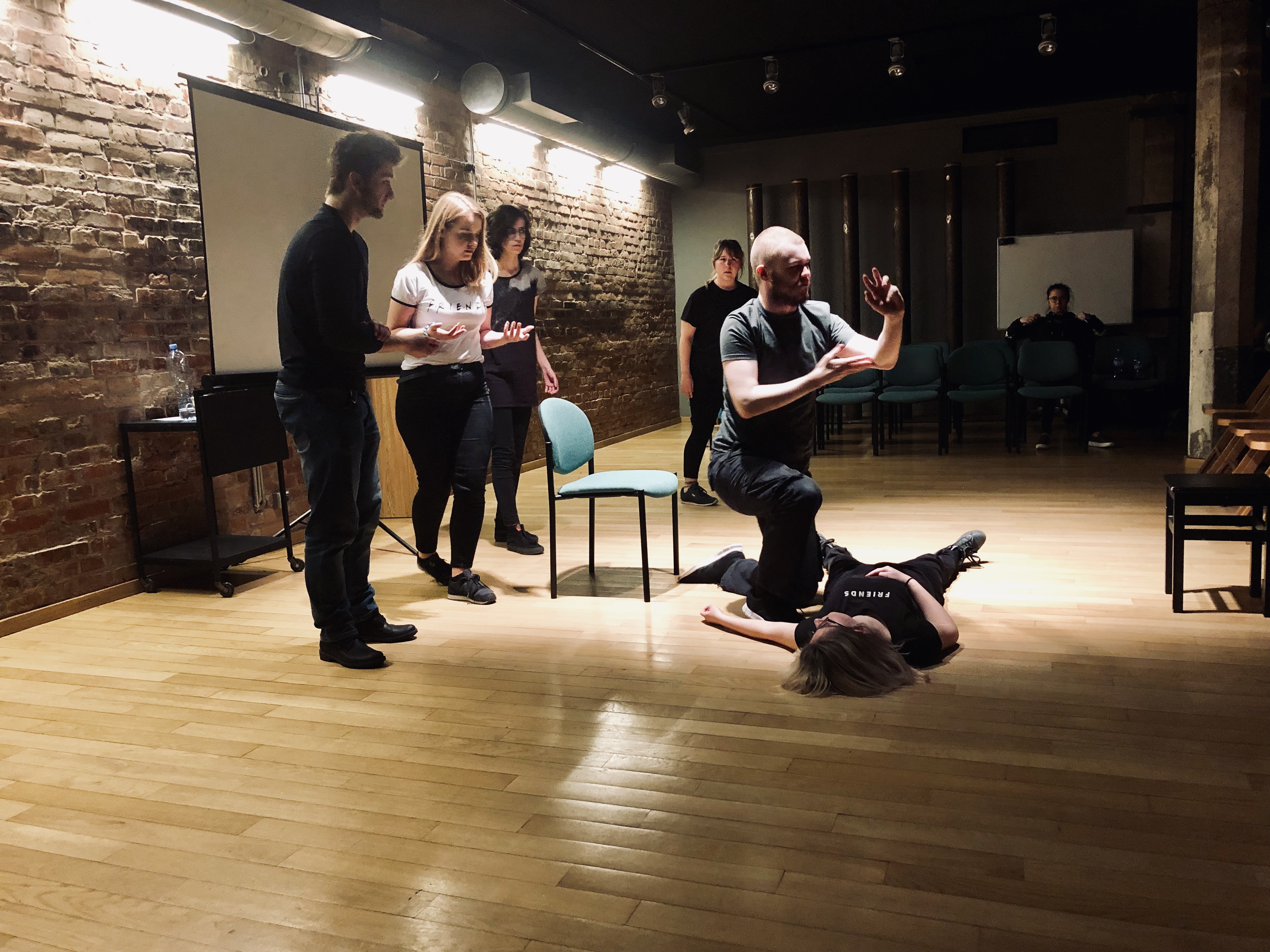
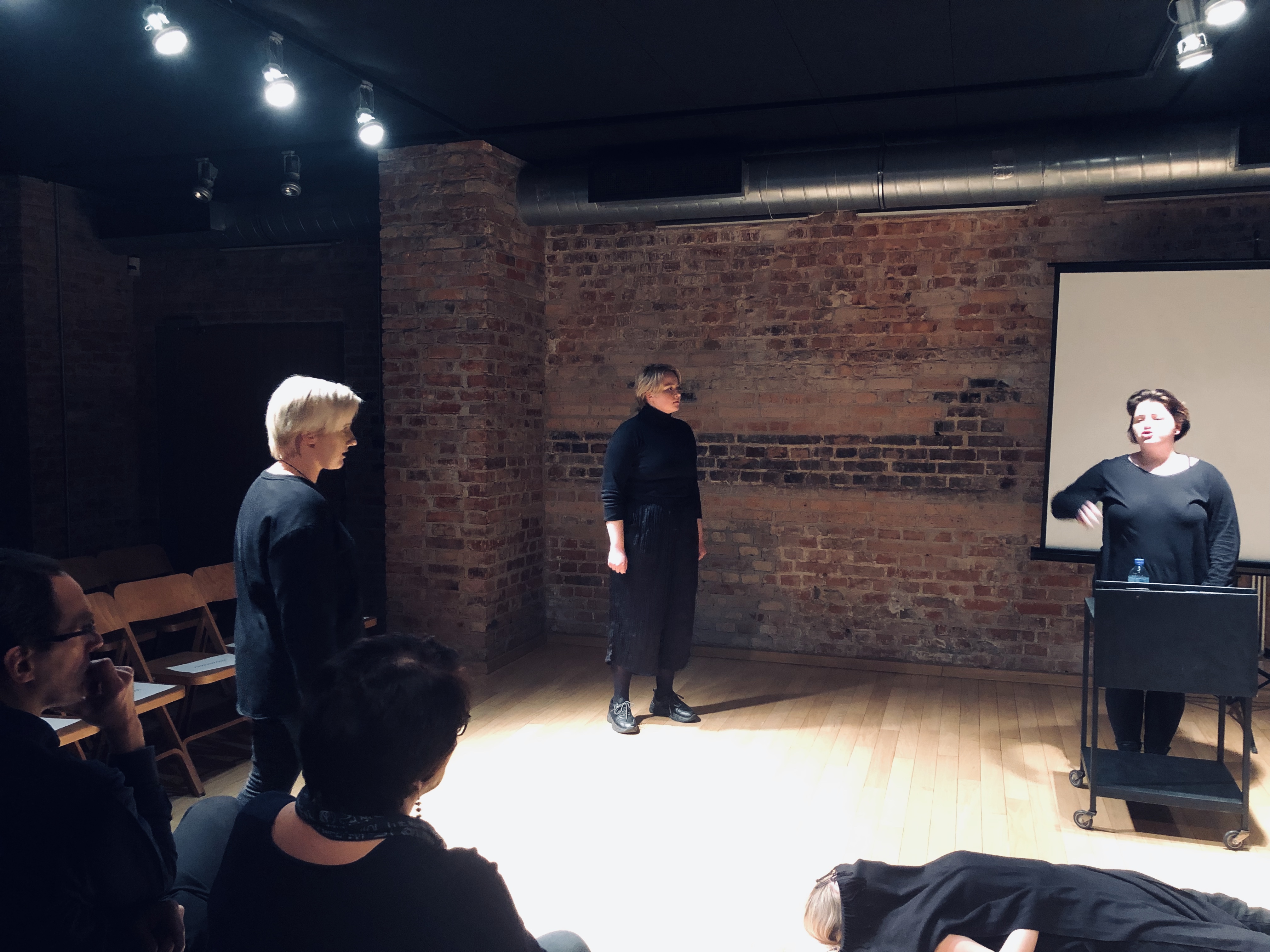
The collaboration followed the structure first established through King Lear Online. The students began by rehearsing remotely through connected studios before the Coventry group travelled to Poland for a week of physical rehearsal, workshops and cultural activity. The work culminated in a sharing at Sala Teatralna in Collegium Maius on Friday 22 March 2019.
This was the first time the rehearsal and residency model developed with Tampere had been rebuilt with a new partner outside the project’s Finnish network. It tested whether the process could be transferred to another institution with different facilities, technical systems and approaches to theatre training.
Why Julius Caesar?
The project explored selected scenes rather than attempting to stage the complete play. Julius Caesar offered a mixture of public and private situations through which to test the shared rehearsal space. Speeches to the citizens of Rome required actors to address groups across the screen, while the scenes involving conspiracy, persuasion and private doubt depended upon closer relationships between individual performers.
The play’s political language also placed considerable demands upon the actors. They had to communicate complex arguments clearly while negotiating the timing and spatial limitations of the connection. Public rhetoric, shifting loyalties and the tension between individual conviction and collective action provided useful material for an international ensemble still learning how to read and respond to one another.
The complete project was conducted in English, with no Polish-language material included in the performance. This made communication more immediately accessible to the Coventry students and reflected the focus of Adam Mickiewicz University’s Theatre and Drama in English programmes. In retrospect, it also continued a pattern that had developed after Coriolanus Online: the project was extending its geographic reach while its original interest in acting across languages was becoming less central.
Rebuilding the connection in Poznań
The technical system had been refined through several years of work between Coventry and Tampere, but transferring it to a new institution proved more difficult than transporting the equipment. A Polycom videoconferencing unit was sent to Poznań so that the Polish studio could connect with the established Coventry rehearsal space.
Although the equipment was familiar to the Coventry team, the network in Poznań had not previously been configured for this kind of low-latency performance work. Institutional security, firewalls and local network settings affected the connection, and it took time to establish a stable route between the two universities. The remote rehearsals consequently experienced more latency and technical interruption than the later Tampere projects.
These difficulties revealed an important limitation in the idea that the system could simply be reproduced elsewhere. The Polycom unit was relatively affordable and straightforward to operate once connected, but successful telepresence still depended upon cooperation from local technical teams and a network capable of carrying live audio and video with minimal delay.
The students and staff continued working while these problems were addressed, adapting exercises and rehearsal plans to the connection available. Caesar Online therefore demonstrated both the portability of the model and the practical support needed to make that portability possible.
Workshops across the connection
The remote phase included workshops led by guest theatre practitioners, allowing both groups to encounter approaches beyond their regular course teaching.
Tom King of the Royal Shakespeare Company led a workshop introducing approaches to Shakespeare’s text. Glenn Noble, formerly of Spike Theatre, delivered physical-theatre training, while Connor Nolan of Noctium Theatre led a clowning workshop.
These sessions offered contrasting ways into the work. The Shakespeare workshop concentrated attention on language and communication, while physical theatre and clowning encouraged the students to respond through movement, play, rhythm and direct contact with an audience. Clowning was particularly suited to experimentation because it asked performers to acknowledge difficulty, remain responsive and use unexpected events rather than attempting to conceal them.
The workshops also broadened the collaboration beyond the rehearsal of assigned scenes. Students from both institutions shared the same exercises and encountered the practitioners together, helping the remote course function as a joint training experience rather than two separate groups preparing material for a later meeting.
Meeting in Poznań
After the remote phase, the Coventry students travelled to Poznań to meet their Polish collaborators and continue the work physically. As in Tampere, the students did not arrive as strangers. They had already encountered one another through rehearsals and workshops, although the technical difficulties had sometimes made that contact less consistent than intended.
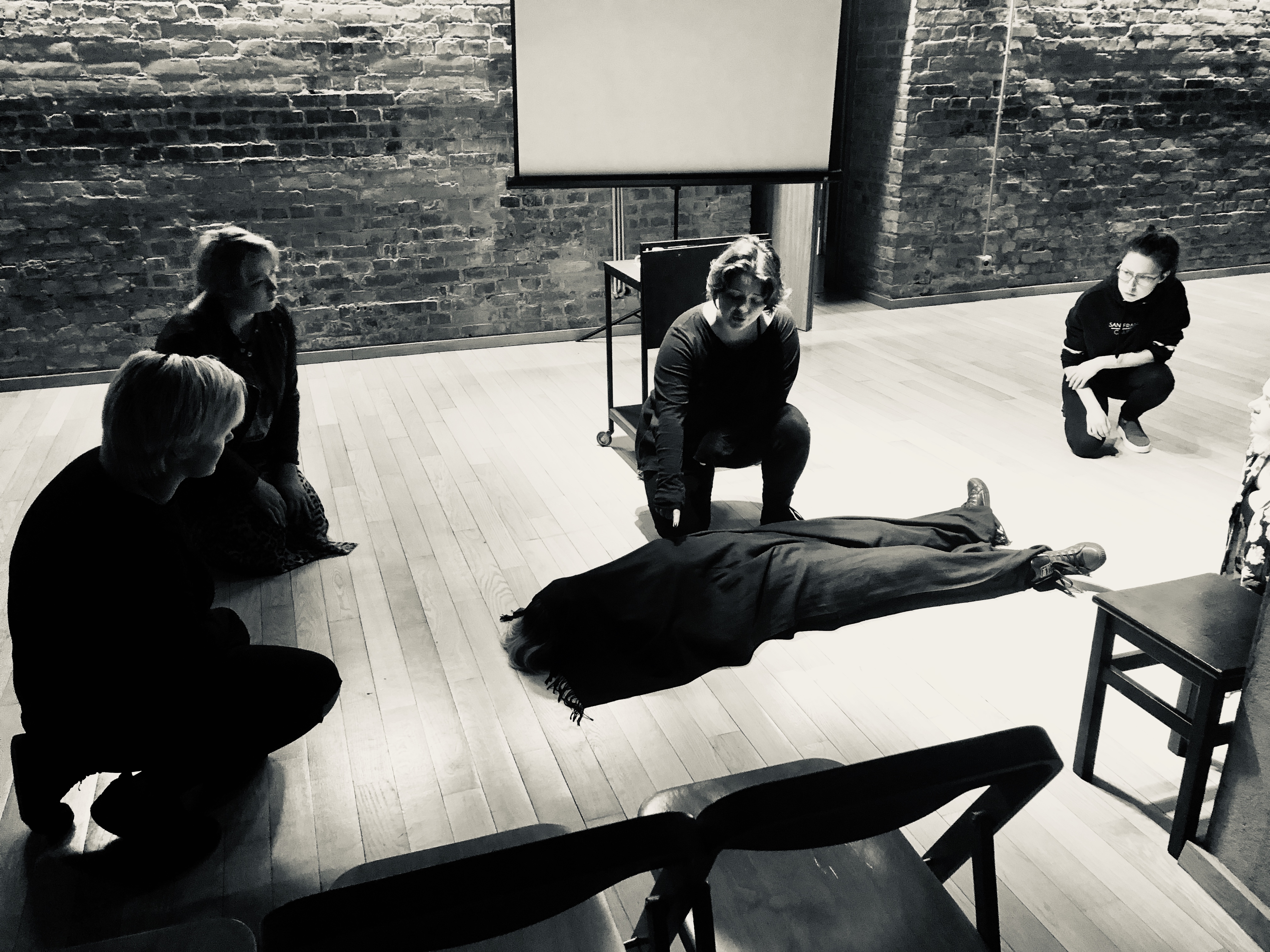
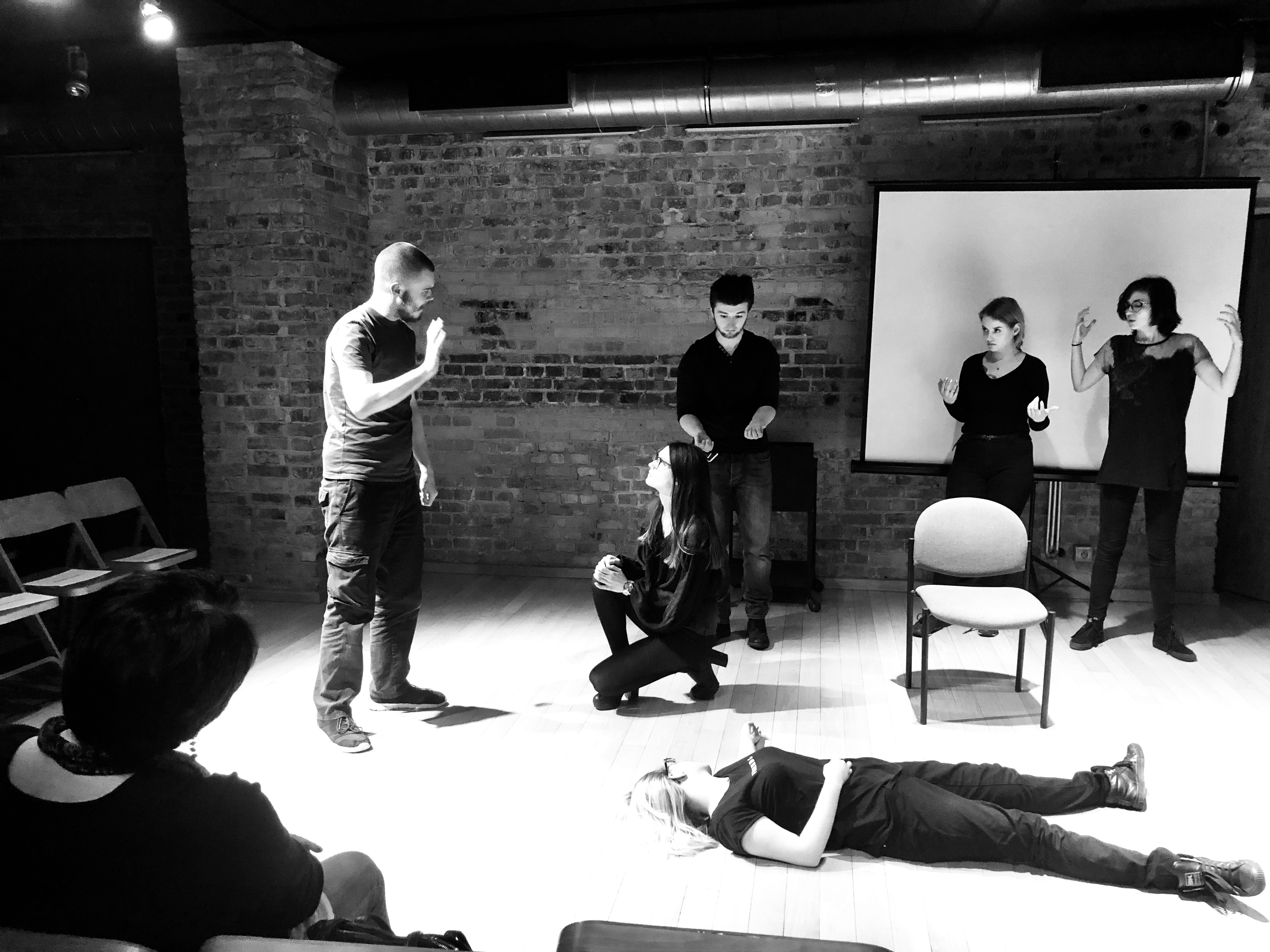
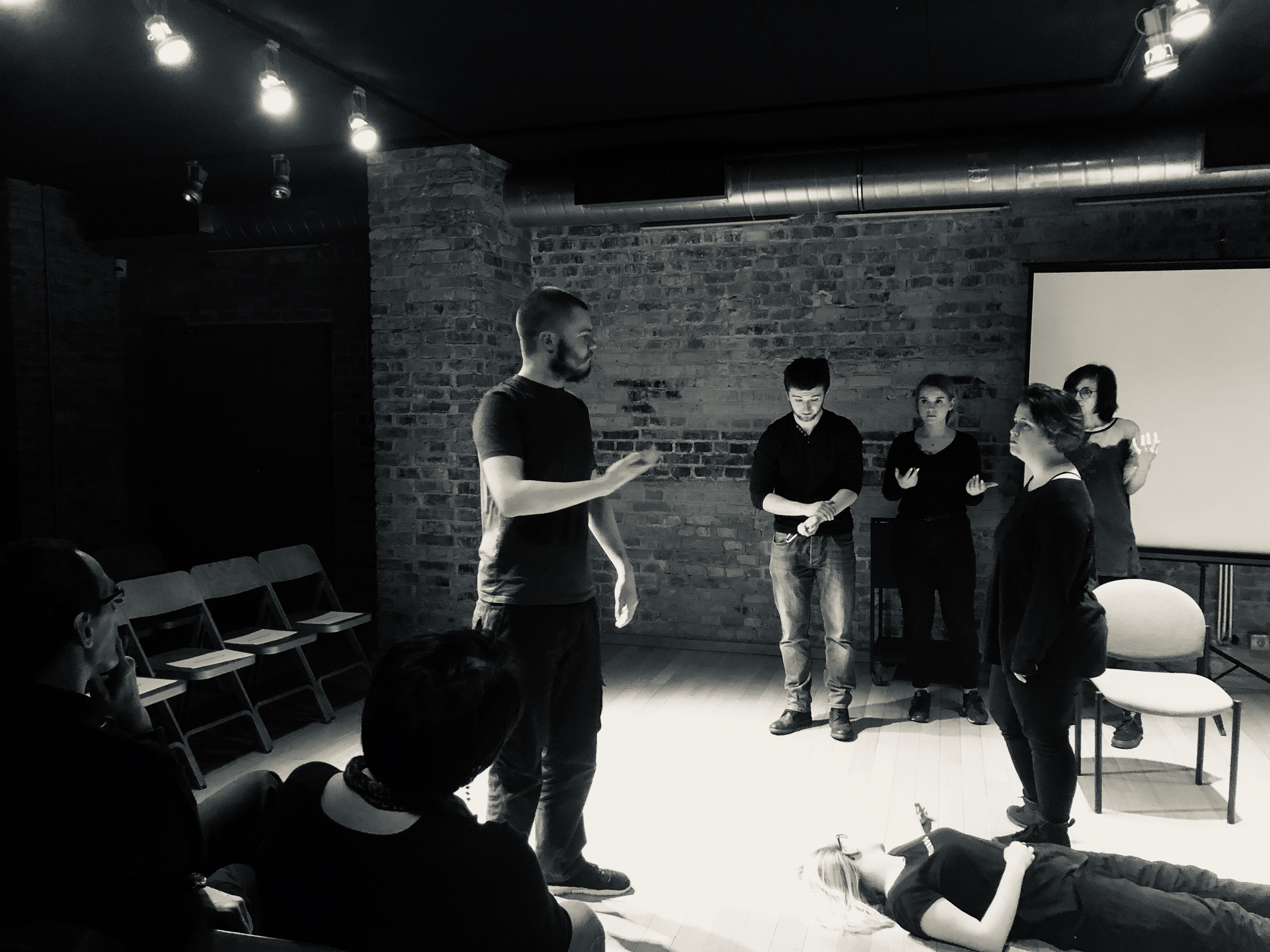
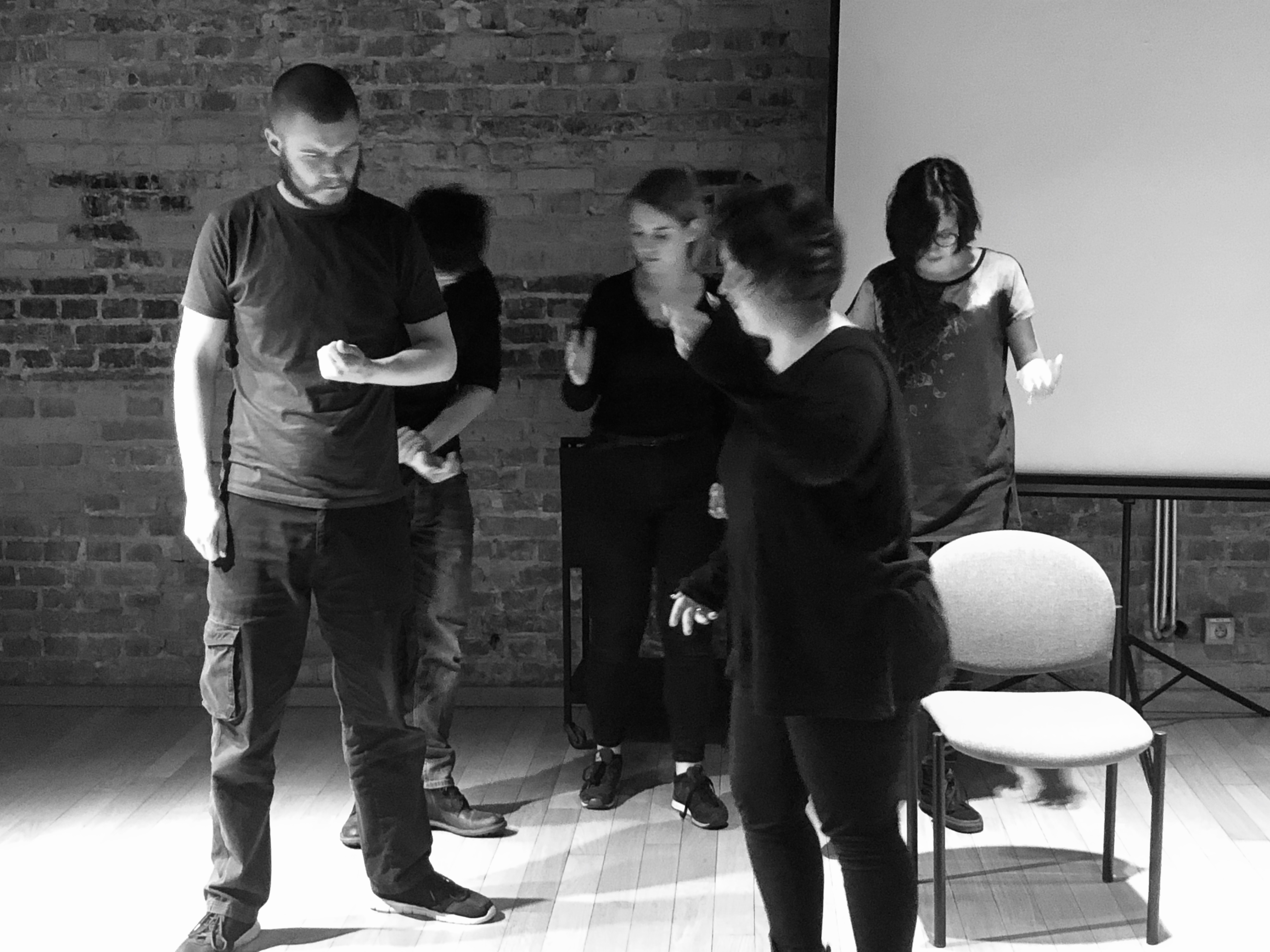
The week in Poland allowed the ensemble to revisit material without latency, screens or fixed camera positions. Scenes could be reworked for a shared room, while movement, timing and relationships could develop through direct physical contact. The students were also able to discover how decisions made remotely changed when transferred to the architecture of Sala Teatralna.
The residency extended beyond scheduled rehearsals. The Polish hosts arranged theatre visits, and shared meals gave both groups time to talk outside the formal structure of the course. Coventry students were welcomed generously by their partners, teachers and hosts, creating a sense of mutual investment that could not be measured only through the final presentation.
These social and cultural experiences were an important part of the collaboration. The remote phase had introduced the participants as fellow performers; time spent eating, travelling and attending theatre together allowed those working relationships to become more personal.
Sharing the work
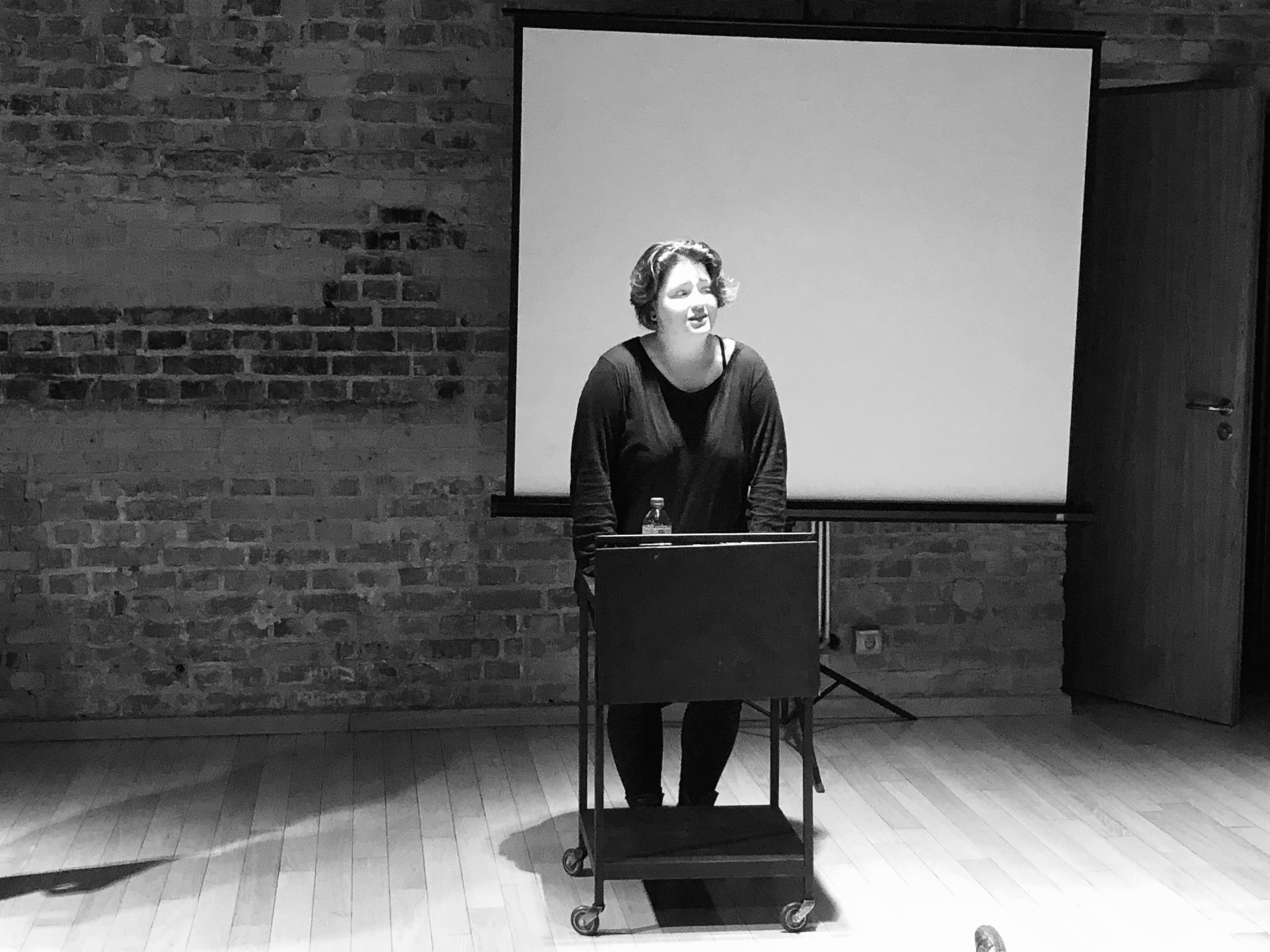
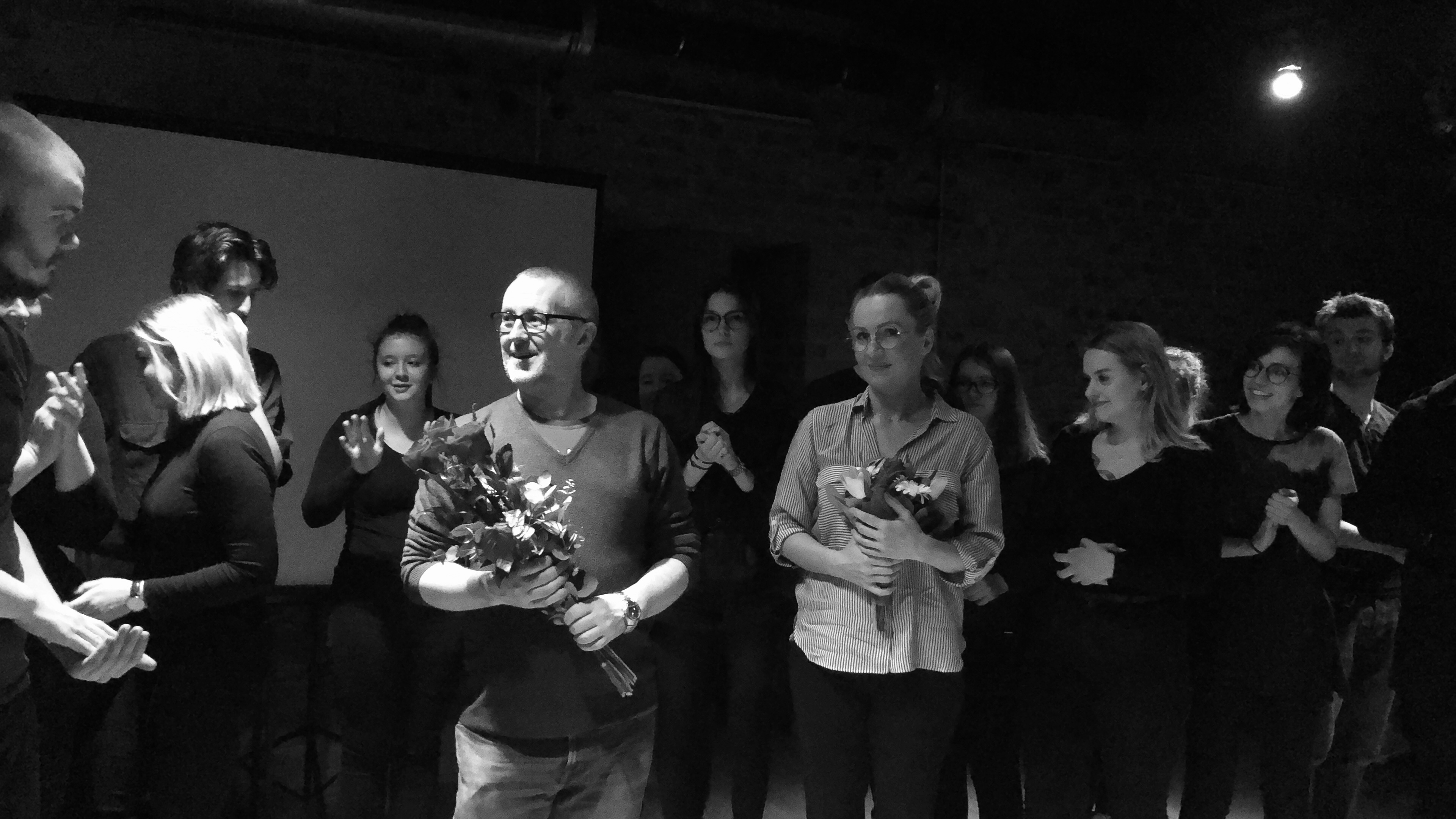
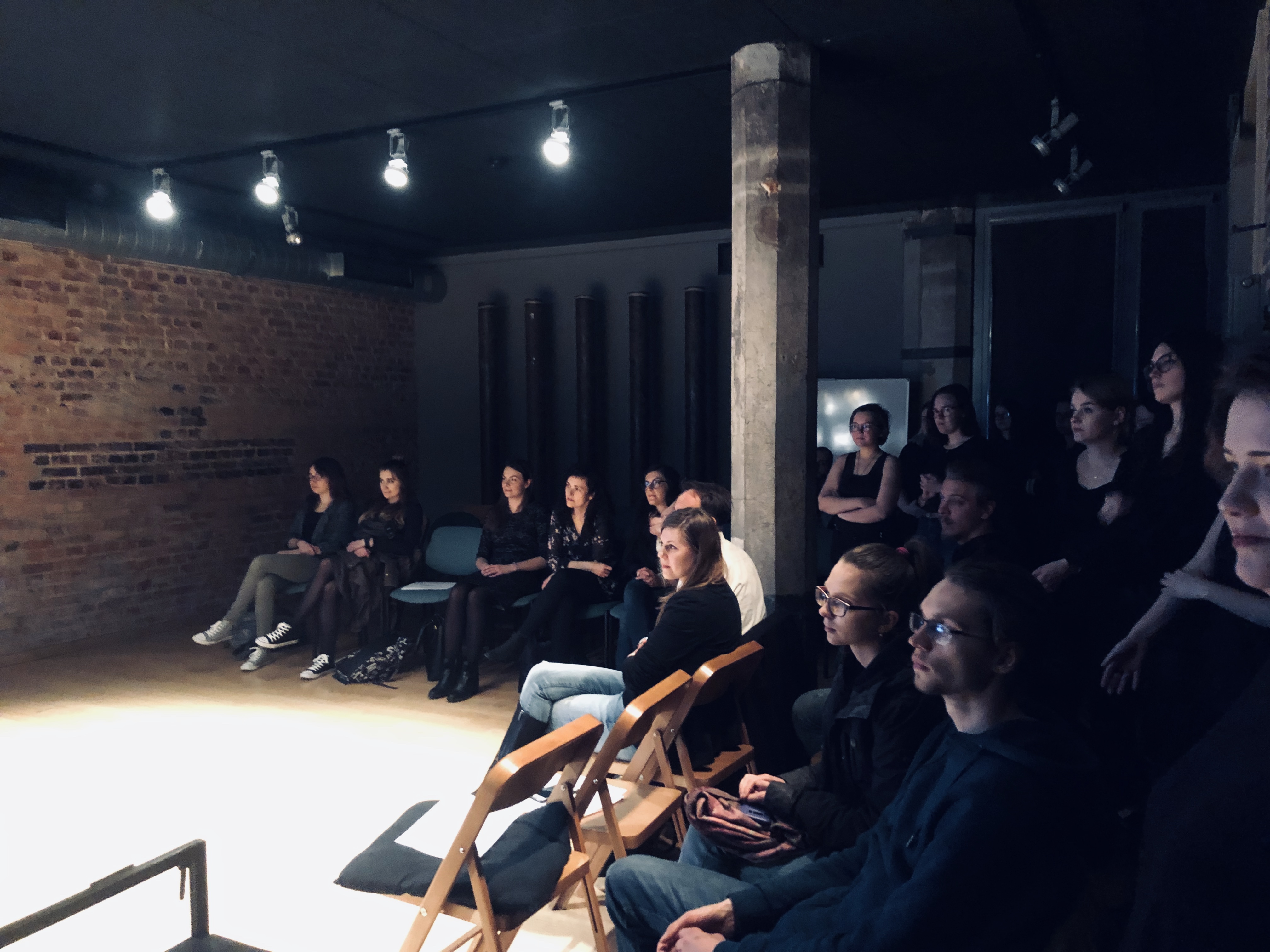
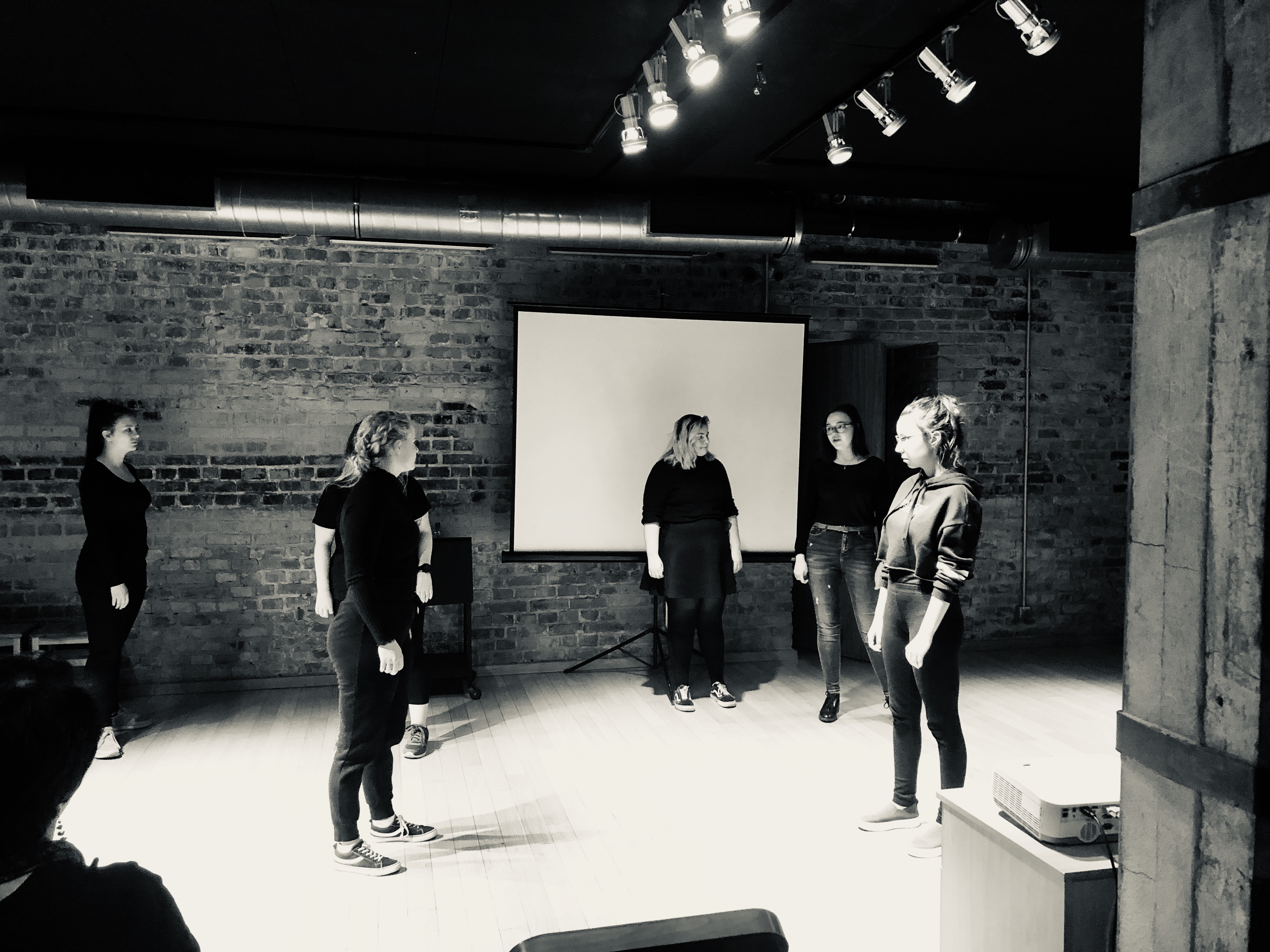
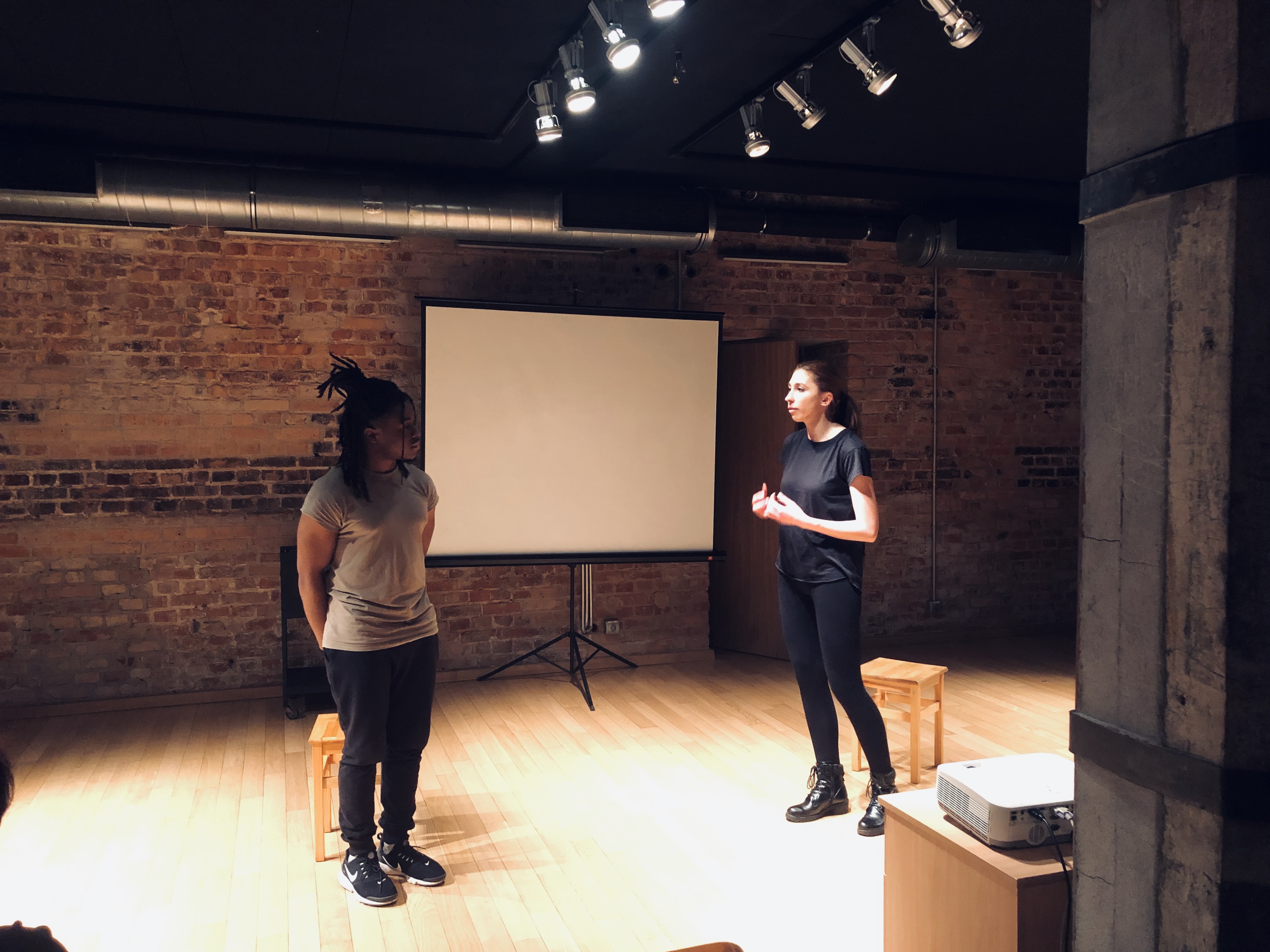
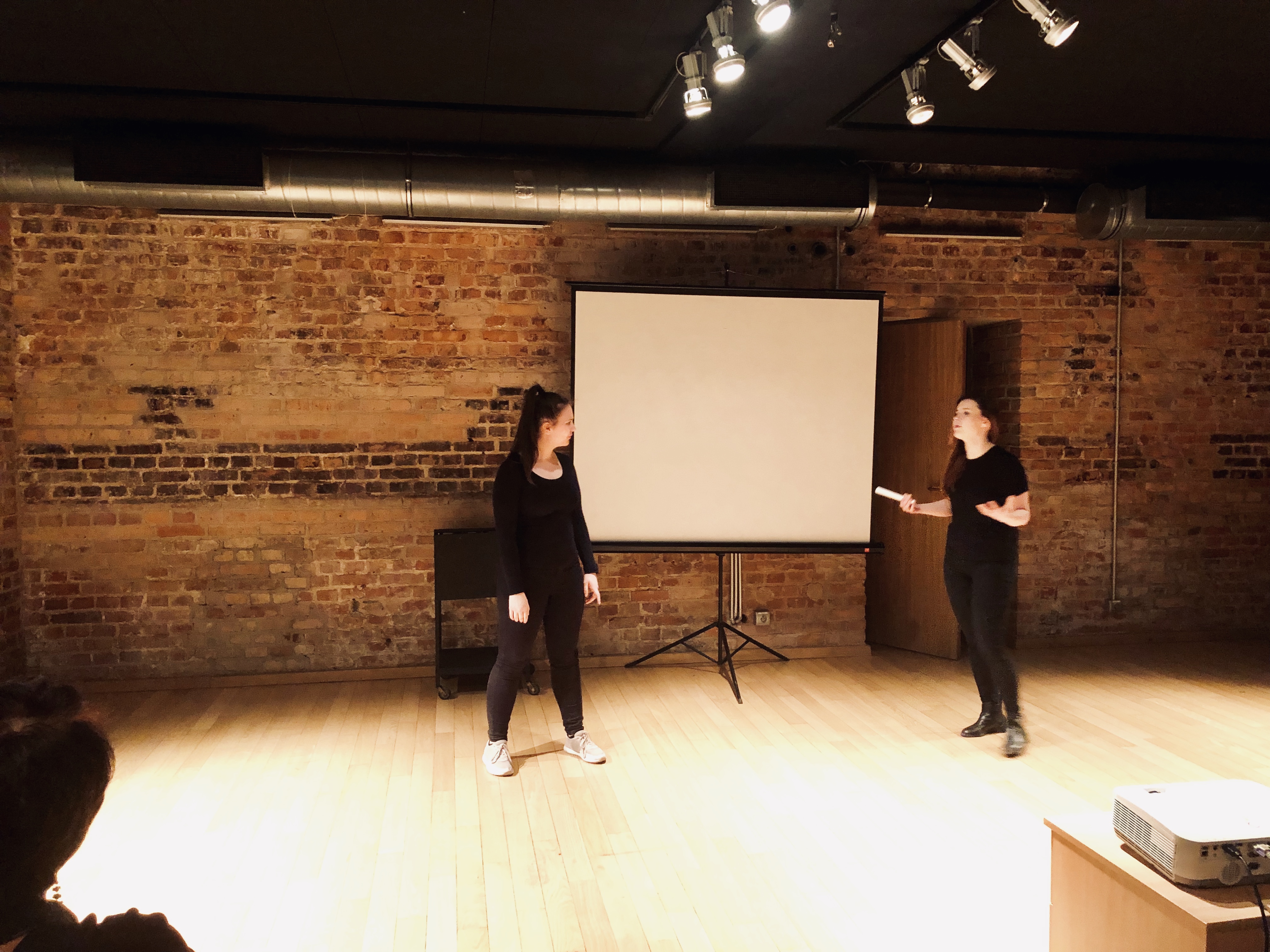
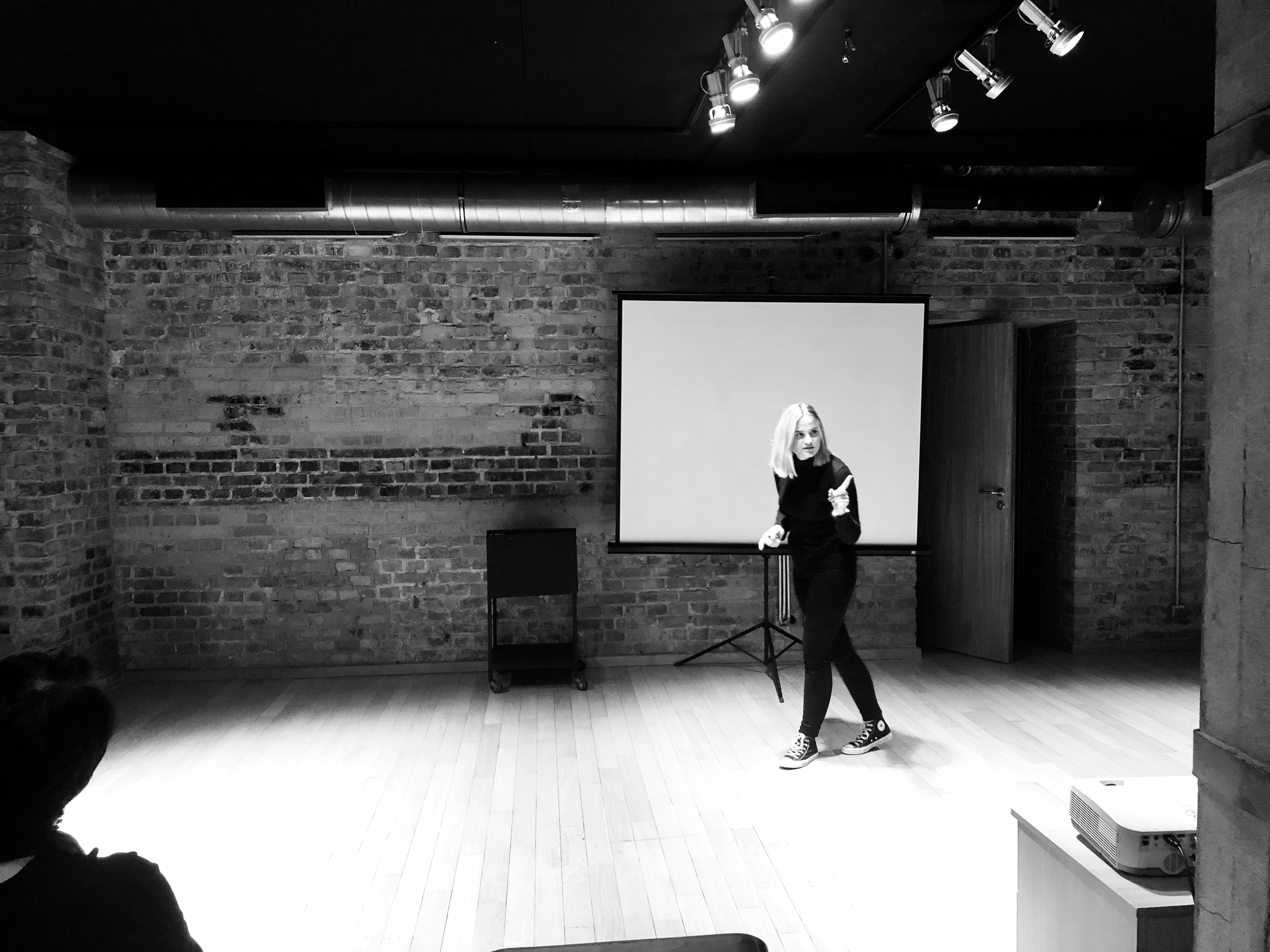
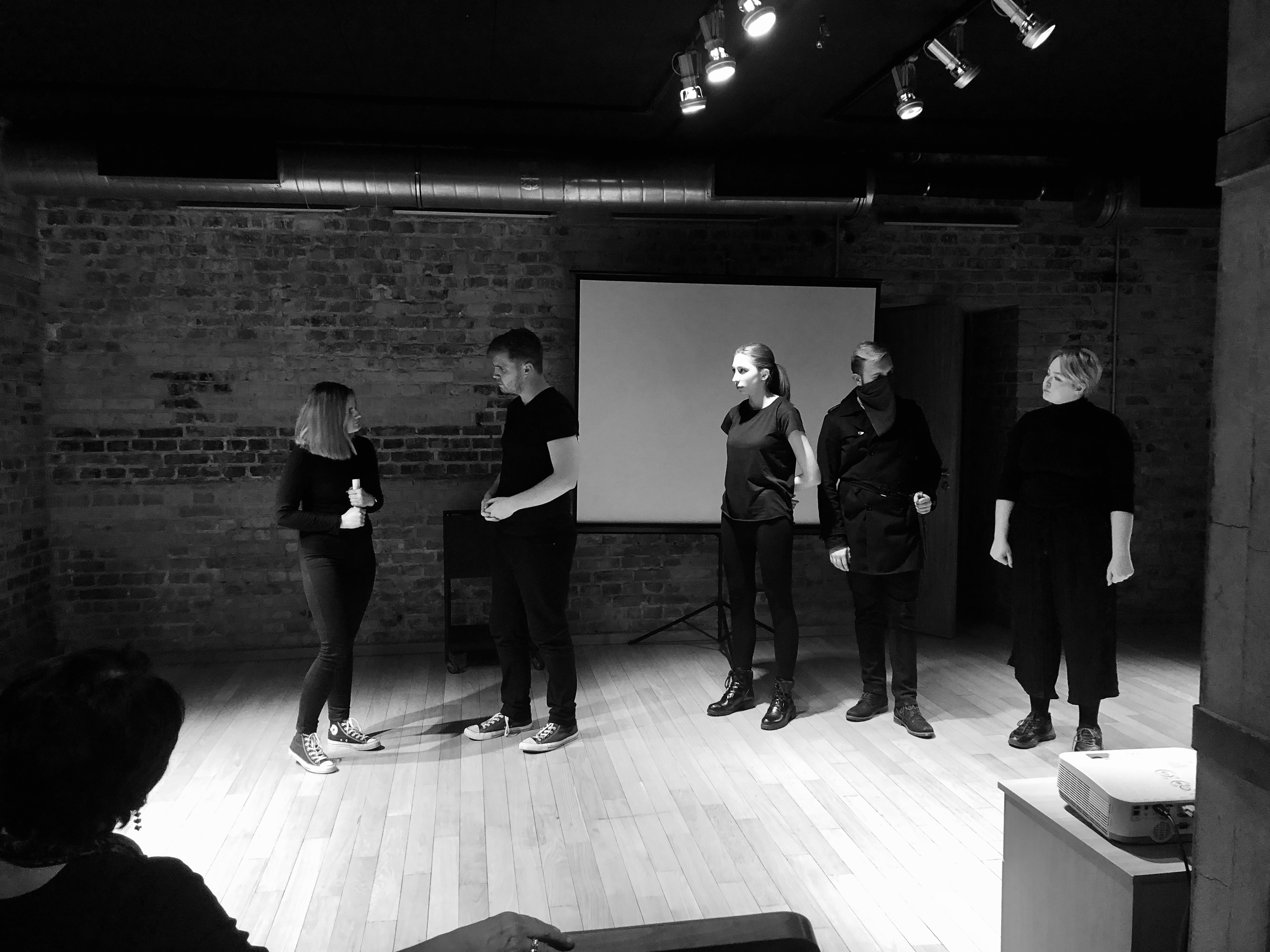
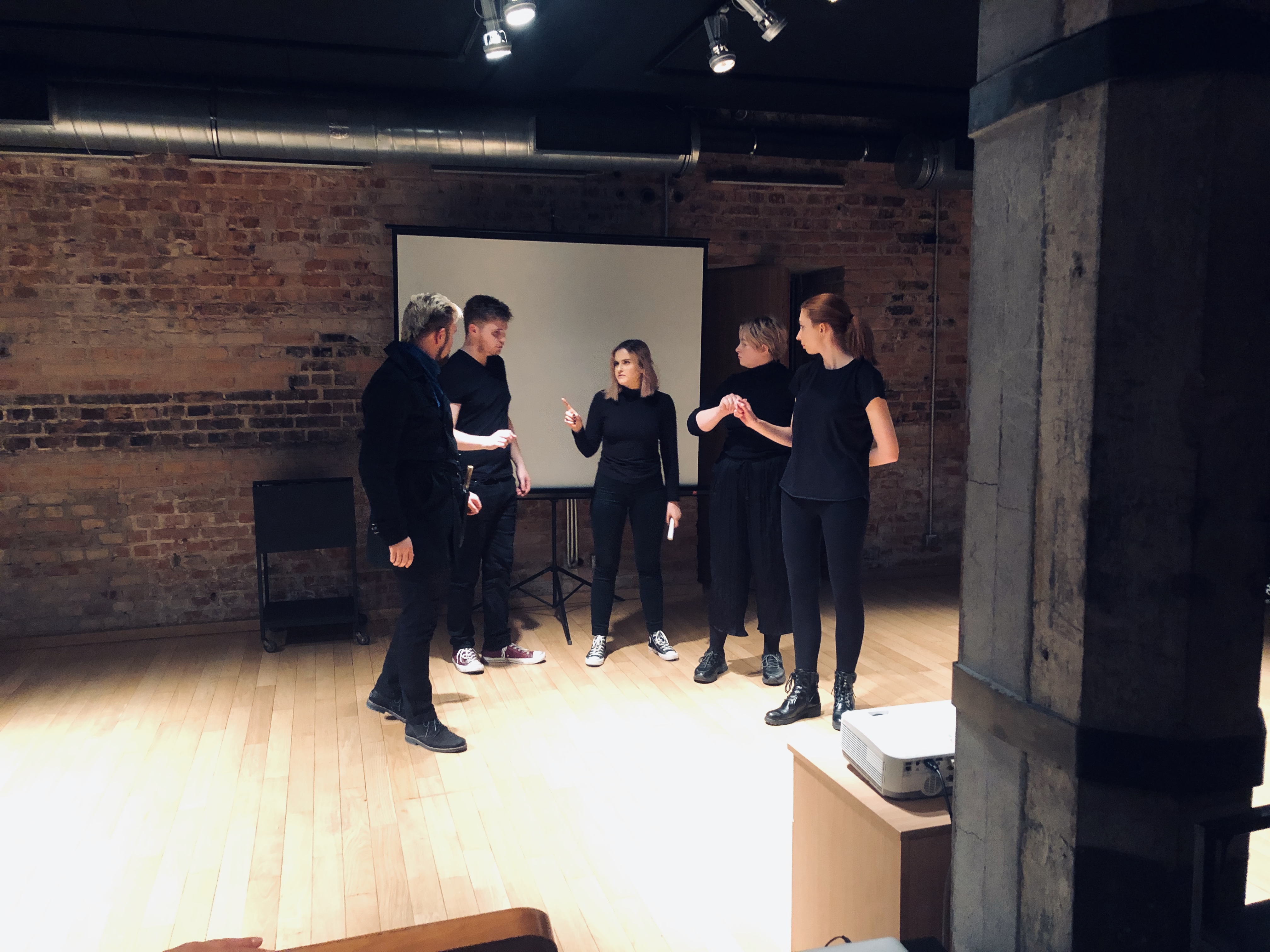
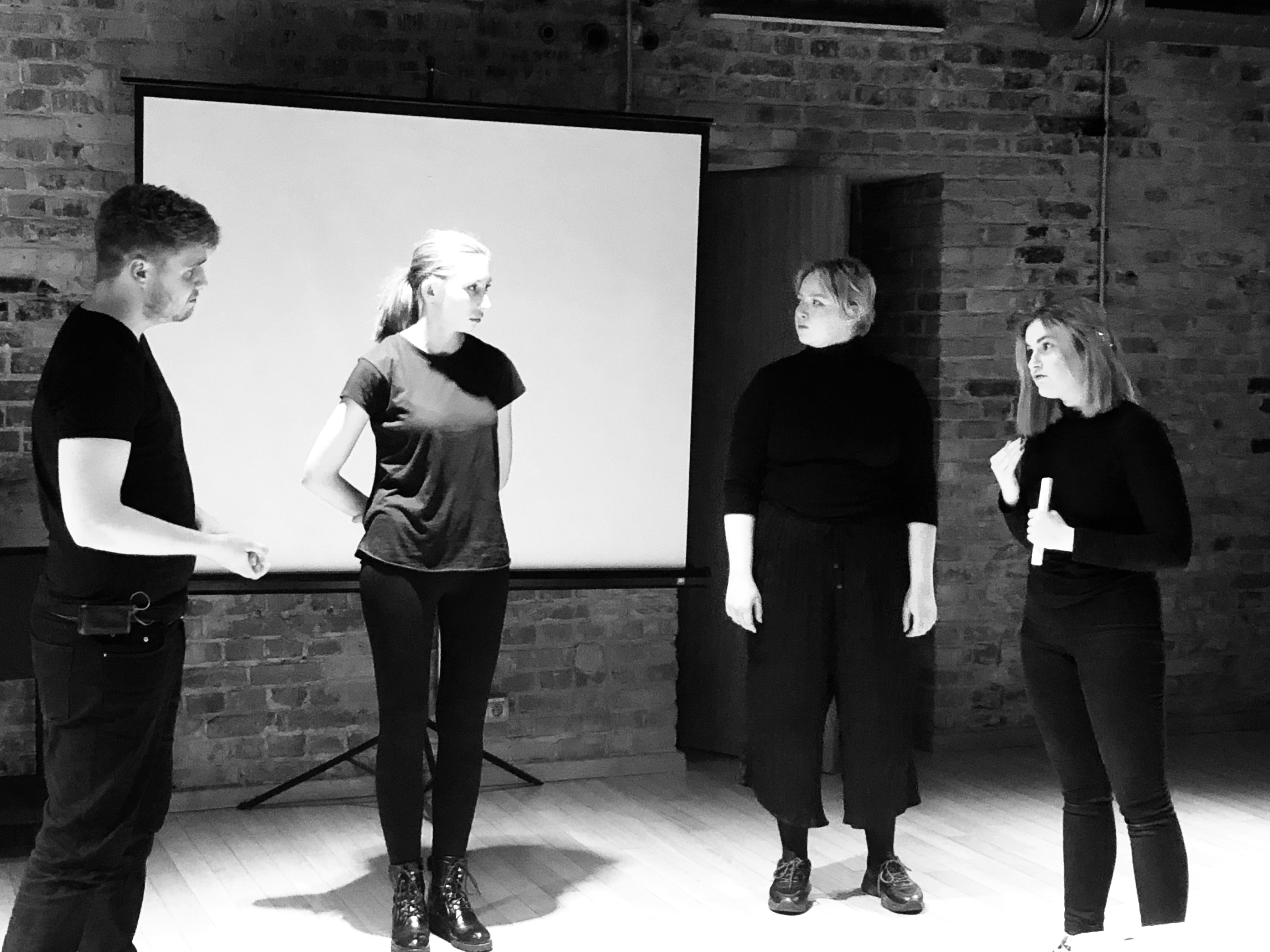
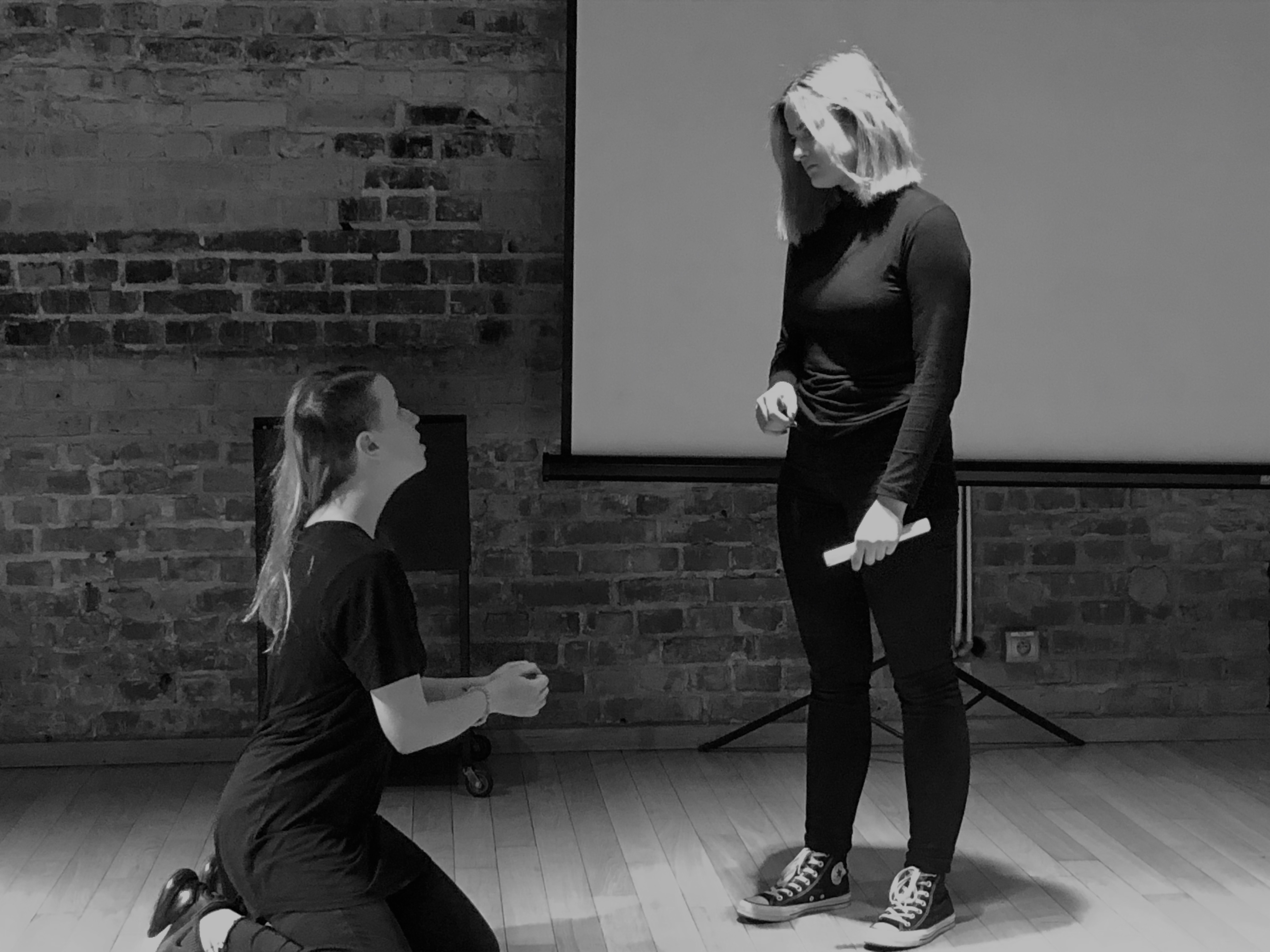
The project culminated in a sharing of selected scenes from Julius Caesar at Sala Teatralna in Collegium Maius on Friday 22 March 2019. The event brought together material first explored through telepresence and then reshaped during the physical rehearsal week.
The sharing was not a production of the complete play. It provided an opportunity to present the results of the two-stage process and to examine how work begun across an imperfect technological connection could develop once the ensemble occupied the same room.
What Caesar changed
Caesar Online confirmed that the rehearsal and residency model was not limited to the longstanding relationship between Coventry and Tampere. A new partnership could adopt the process, bring its own students and teaching culture into the work, and host the final physical stage of the collaboration.
At the same time, the project exposed the difference between portable equipment and a genuinely portable system. Sending a Polycom unit to another institution was only the beginning. Reliable rehearsal depended upon network access, technical cooperation, testing time and the willingness of everyone involved to adapt when the connection did not operate as planned.
The experience in Poznań also reinforced the importance of hospitality. Theatre visits, shared meals and the welcome offered by the Polish hosts became as important to the international relationship as the technology that had first connected the students.
Caesar Online succeeded not because the connection was seamless, but because the participants continued to make work through its difficulties and then carried that work into a generous physical collaboration. It demonstrated that the project could travel, while making clearer what each new partnership would need in order to thrive.